| |||||||
You’re among the first fleet teams reading THRIVE - thank you for being early. | |||||||
Hyundai Inster on salary sacrifice: sub-£25k city EV for fleetsHyundai's cut-price EV on salary sacrifice, plus two more stories fleets need this week. · 9 stories · 14 Jul 2026 | |||||||
A sub-£25k EV that actually suits fleet duty cycles rather than just fleet spreadsheets is rare enough to notice, so this week's lead puts the Hyundai Inster through the paces UK operators actually care about: range realism, running costs, and whether "city car" survives contact with a real route. The rest of the briefing is the usual mix of money and compliance - price moves, charging shake-ups, and the small print that changes what your fleet owes or where it can drive. | |||||||
| |||||||
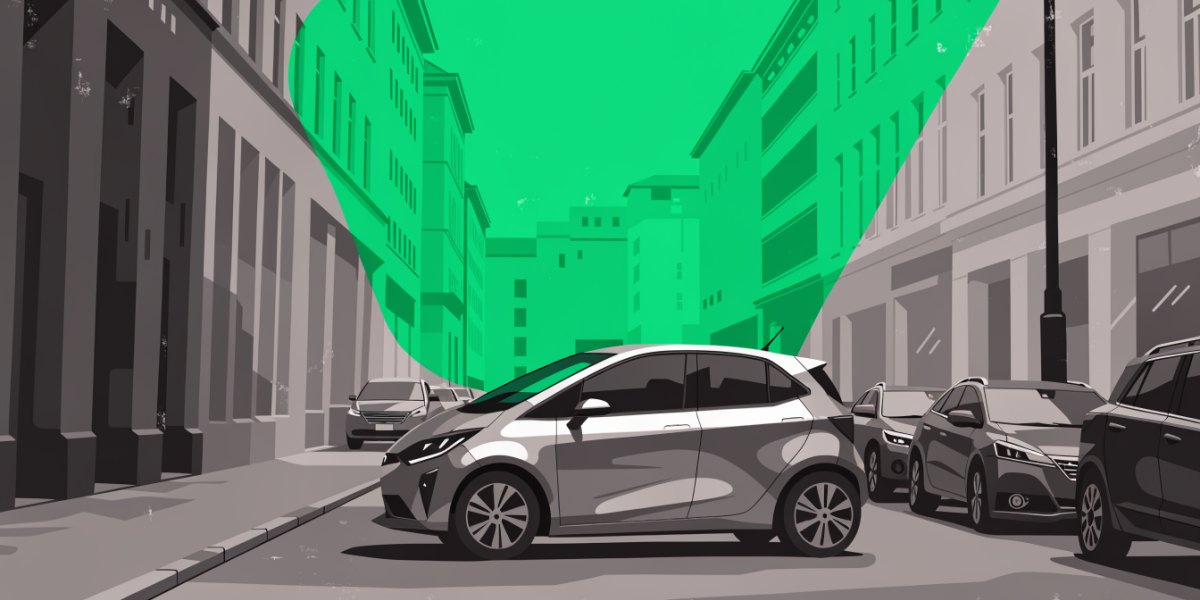 Illustration · THRIVE | |||||||
Why it matters: Hyundai's Inster is now available through The Electric Car Scheme's salary sacrifice route from £219 a month, around 29% cheaper than a personal lease on the same car, with 4% Benefit-in-Kind applying for the 2026/27 tax year and employees typically saving 20-50% against a personal lease equivalent The Electric Car Scheme. For payroll and fleet teams building 2026/27 EV panels around cost-per-driver, that's a number worth running against whatever else is currently on the shortlist. The underlying car undercuts the sub-£25k EV bracket at £23,755 on the road in entry-level 01 trim, and the Long Range version reaches up to 229 miles WLTP on a 49kWh battery The Electric Car Scheme. For fleets stacking small-EV shortlists against budget and range anxiety in equal measure, that combination of price and usable range is the story, not the badge. The trim ladder matters for spec decisions. Standard Range 01 gets 97bhp, 0-62mph in 11.7s and 203 miles WLTP on the 42kWh pack; stepping to the 49kWh Long Range lifts that to 115bhp, 10.6s and 229 miles on 15-inch wheels, for around £1,550 more on the entry trim (223 miles on the 02's 17-inch wheels) The Electric Car Scheme. Move up the range and INSTER 02 starts at £27,005, with the Cross variant from £29,005 - useful headroom if drivers need more kit without leaving the Inster family The Electric Car Scheme. The practicality case is unusually well thought through for the class. On 02 and Cross trims, the sliding rear bench moves forward by 16cm, taking boot capacity from 238 to 351 litres - a genuinely useful trick for a car this size, and one that matters if it's doing van-adjacent duty on multi-drop urban rounds The Electric Car Scheme. It has also picked up recognition beyond the spec sheet: TopGear.com's Supermini of the Year 2026 and World Electric Car of the Year 2025 The Electric Car Scheme. The catch is that none of this is fixed. BiK bands step up beyond 2026/27, and the 29% saving quoted against personal leasing is scheme- and provider-specific, not a guaranteed market rate. Range also drops meaningfully if a driver is put on the cheaper Standard Range car rather than the Long Range - 203 miles versus 229 miles WLTP on the same 01 trim - which matters for anyone running the Inster on multi-drop or rural routes rather than pure urban duty. Model the Long Range 02 against the Standard Range 01 on your actual mileage profiles before defaulting to the cheapest trim on price alone. (Source: The Electric Car Scheme) | |||||||
| |||||||
BYD salary sacrifice deals ride a 4% BIK rate that rises from 2027 | |||||||
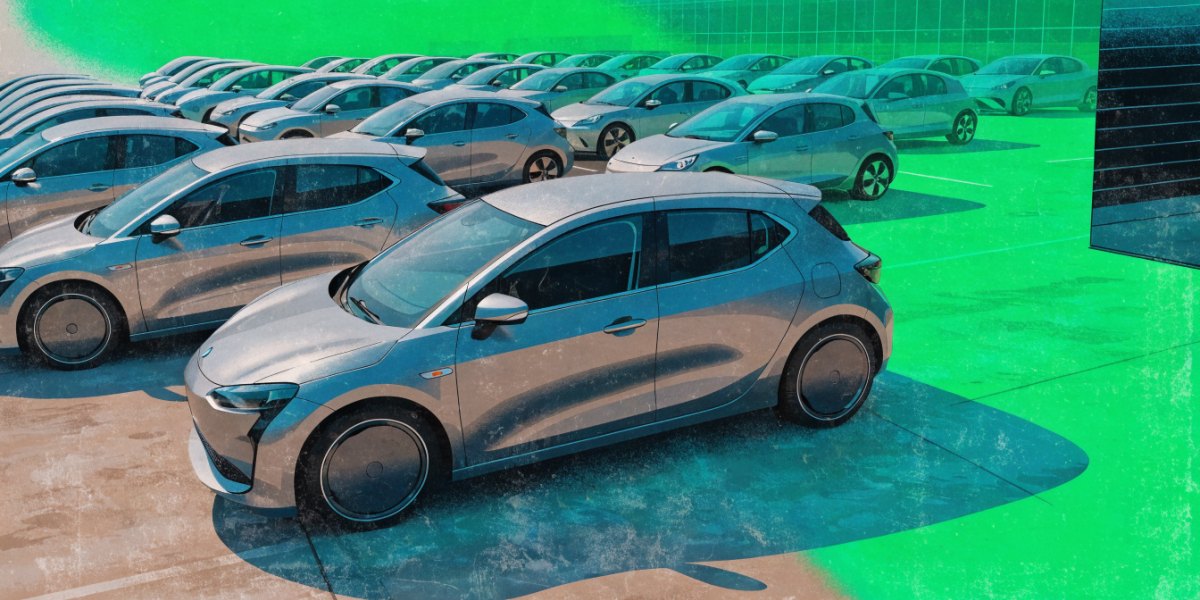 Illustration · THRIVE | |||||||
BYD models are turning up on salary sacrifice schemes, riding the 4% BIK rate that still makes electric the obvious sacrifice choice against combustion. The wrinkle for anyone building a scheme business case: EV BIK rates are set to rise to 5% in 2027/28, 7% in 2028/29 and 9% in 2029/30, so the net saving behind those deals narrows over the life of a typical four-year lease, although Loveelectric says the proposed 2029 salary sacrifice changes do not currently remove EV schemes' protected status Treat 2026 pricing as the window you can rely on, not the whole story, and get schemes signed with drivers who understand the arithmetic could shift before the car is handed back (Loveelectric). | |||||||
| |||||||
BYD Shark plug-in hybrid pick-up targets UK fleet market | |||||||
 Illustration · THRIVE | |||||||
BYD is bringing the Shark, a plug-in hybrid pick-up, to the UK, according to Fleet News. It is available to order now from £47,290, with first deliveries due in Q4. The pitch is clear: lower BiK than a diesel double cab, which is now taxed as a car. The catch is its 790kg payload, below the one-tonne threshold, so it does not qualify for commercial vehicle VAT relief. It can tow up to 2,500kg. | |||||||
Volkswagen Group to cut model line-up by up to half | |||||||
 Illustration · THRIVE | |||||||
Volkswagen Group has told its supervisory board it will gradually streamline its model line-up by up to 50% and cut equipment options by up to 75% under its 2030 future plan [https://www.volkswagen-group.com/en/press-releases/executive-board-presents-future-plan-20514]. The Volkswagen brand says it is putting that plan into action with $580m for a new Amarok for South America, built at its Pacheco plant in Argentina from 2027 - a plant with 770,000 pick-ups and 15 years of local know-how behind it. The detail that matters for UK fleets: existing Amarok production in South Africa stays put, so the version sold here is unaffected for now. But it's a clear signal of VW carving up its range by region rather than running one global platform. Worth watching, not yet acting on. (Volkswagen Newsroom) | |||||||
Isuzu D-Max EV gets 75-watt solar option to protect 12v battery | |||||||
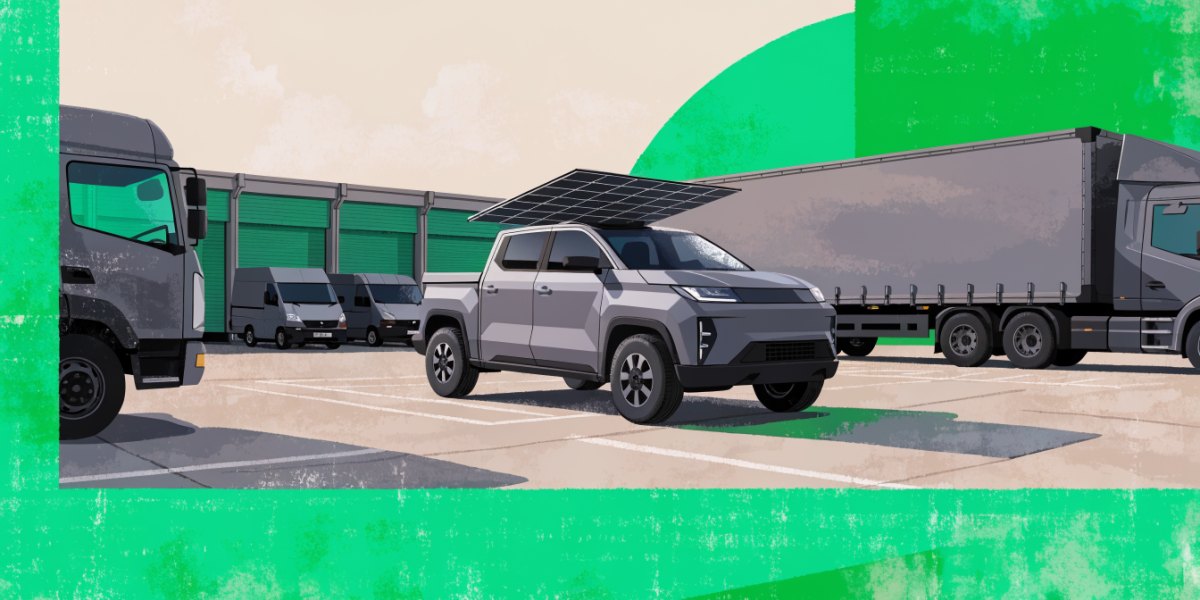 Illustration · THRIVE | |||||||
Isuzu's new D-Max EV will offer a factory-fitted solar panel from Genie Insights, a bespoke 75-watt unit bonded to the load bed roof at just 3mm thick and 2.5kg, so it adds negligible payload penalty for a double-cab pickup where every kilogram against the one-tonne threshold counts. The pitch isn't headline range top-up but 12v battery protection and steadier onboard electrics, using CIGS cells that work off daylight rather than needing direct sun, useful for fleets running vehicles that sit idle between shifts. UK-made and ECE R10 approved, which should keep procurement teams happy. (SMMT) | |||||||
Aceman's 4% BIK rate undercuts petrol company cars on tax | |||||||
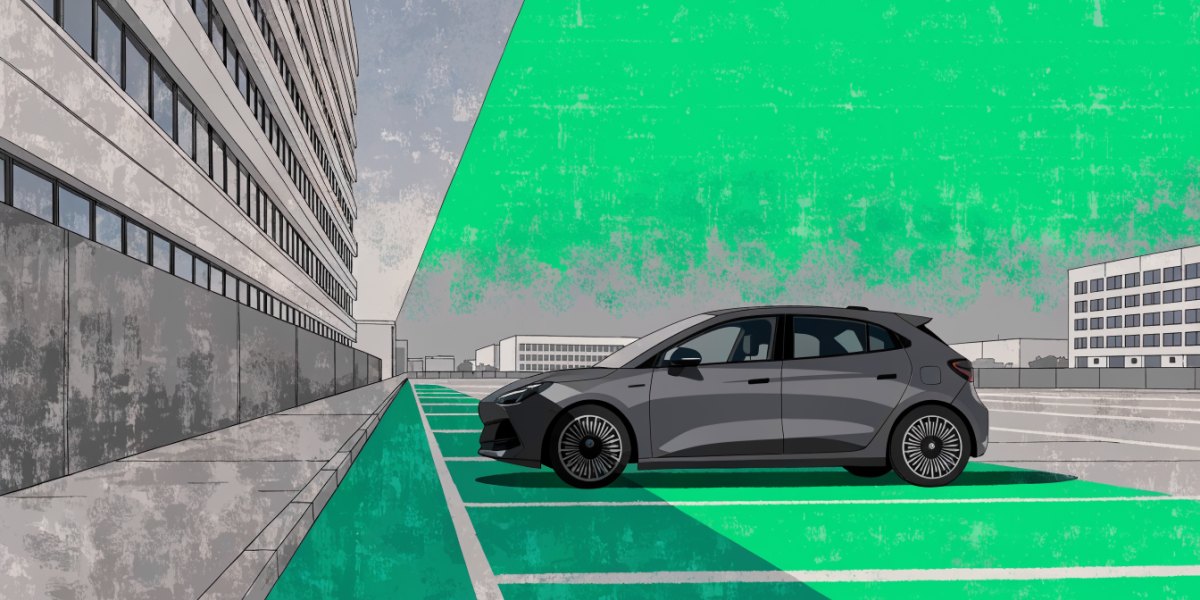 Illustration · THRIVE | |||||||
The Aceman starts at £28,905, roughly £2,000 above its Cooper Electric stablemate, and on paper that premium is easy to justify: up to 252 miles of WLTP range and up to 1,005 litres of boot space with the seats down, useful if drivers are ferrying kit rather than just commuting. What actually matters for cost is the 4% BIK rate confirmed for 2026/27, which keeps company car tax on small EVs like this one well below petrol equivalents, and via salary sacrifice employees are typically saving 20-50% against a personal lease. The segment is heating up too, with searches for "mini electric car" climbing steadily. Worth a look before drivers default straight to the Cooper. (The Electric Car Scheme) | |||||||
| |||||||
Ofgem cap rise makes EV tariff choice critical for fleet drivers | |||||||
 Illustration · THRIVE | |||||||
Ofgem's Energy Price Cap goes up again from 1 July, and drivers relying on standard variable tariffs to charge at home could see their costs rise (Andersen EV). The cap limits default gas and electricity rates and does not directly set the price of specialist EV tariffs from suppliers like Octopus, OVO and E.ON, so home-charging costs are now as much about tariff choice as pump price ever was. Andersen EV's chief executive David Martell makes the obvious but easily ignored point: how you charge your EV matters. For fleets with home-charging reimbursement schemes, that means checking drivers aren't stuck on default tariffs while smart, off-peak alternatives sit untouched nearby. | |||||||
| |||||||
UK vehicle output rises for first time this year as US shipments jump over 80% | |||||||
 Illustration · THRIVE | |||||||
UK vehicle output edged up in May, the first monthly rise this year, and the trade context explains why fleet buyers should care beyond the headline. Output rose against a weak May 2025, when US tariff uncertainty pushed exports down, and cross-Atlantic shipments were up more than 80% year-on-year in May, with the UK-US trade deal in force since June 2025. The EU still takes more than half of UK car exports, and shipments there fell 5.2% in May, so US growth alone is a partial lift, not a full recovery. Worth watching whether the uptick holds. (SMMT) | |||||||
| |||||||
Sub-£10,000 used cars post 2026's highest retail margin in May | |||||||
 Illustration · THRIVE | |||||||
£4,025 - that's the retail margin the diesel Volkswagen Tiguan commanded in May among models retailing above £10,000, while in the sub-£10,000 chart retail margins hit their best level of the year so far, led by a diesel Volvo XC60 making its first chart appearance since February (Dealer Auction). BMW has also displaced Land Rover at the top of the sub-£10,000 makes table, followed by Mercedes-Benz and Volvo. For fleets timing disposals, this is a seller's window: budget-end demand is firm and turning stock fast, with the Nissan Qashqai shifting in 25 days. Defer marginal remarketing and you're betting against a market that's already near its ceiling. | |||||||
| |||||||
|