| |||||||||||||
You’re among the first fleet teams reading THRIVE - thank you for being early. | |||||||||||||
SMMT: carmakers say ZEV mandate needs reformSMMT survey: leaders say UK is behind ZEV mandate trajectory, plus 9 more fleet must-knows. · 11 stories · 07 Jul 2026 | |||||||||||||
SMMT says the industry is aligned on one thing this week: the ZEV mandate's current trajectory doesn't work, whatever the politics say. That puts fleet buyers in an awkward spot, caught between compliance deadlines that may yet move and order books that need decisions now. This issue covers what's actually changing versus what's just noise. | |||||||||||||
| |||||||||||||
 Illustration · THRIVE | |||||||||||||
Why it matters: the ZEV Mandate is due to tighten from January 2027 unless the government's review changes it, and fleets planning BEV procurement need certainty, not a policy wobble. If manufacturers lobby successfully for dilution, targets could shift again after budgets and order books are already committed to next year's ratios - and residual values on the ICE stock fleets are trying to run down would firm up unhelpfully. Either way, the mandate's mechanics don't wait for consensus to arrive. Two interventions landed in the same fortnight and pull in opposite directions. SMMT's State of the Automotive Nation report, published 30 June 2026, found that every business leader responding to its second UK Automotive Business Leaders Barometer, a member survey of 50 senior automotive leaders, says the 2030 ZEV ambition is behind target, with 73.8% calling the shortfall against the 2030 ZEV Mandate trajectory significant (SMMT). The timing bites because annual targets rise to 38% BEV sales for cars and 34% for vans from January 2027 (SMMT). Meanwhile EVA England, describing itself as the UK's only independent consumer body for EV drivers, wrote directly to Transport Secretary Heidi Alexander MP on 22 June 2026. Chief executive Vicky Edmonds requested an urgent meeting and warned against weakening the mandate, backing it with a new report, Putting the Driver First (EVA England). The consumer data in EVA England's letter cuts against the "demand isn't there" argument used to justify softening the mandate. It cites research showing 95% of EV drivers would not go back to petrol or diesel (EVA England). But the same letter is honest about the barriers still standing in the way of the next wave of buyers: an estimated 40% of households have no driveway for home charging, only 5.5% of the total UK car parc is currently electric, and 40% of British consumers remain EV sceptical. EVA England also flags a policy risk that should worry any fleet running total cost of ownership models years out: a proposed electric Vehicle Excise Duty and the prospect of a future pay-per-mile scheme, both of which would erode the running-cost advantage BEVs currently hold over ICE (EVA England). Upfront cost, the letter notes, remains the leading barrier for lower and middle-income households - which matters for grey-fleet policy as much as for company car choice lists. The two positions diverge. SMMT says the regulation is running ahead of natural market demand and wants it reformed; EVA England wants the mandate kept as it is, with government attention on the cost and charging barriers drivers face. Until the review concludes, the safest planning assumption is the 2027 target increase as currently set. (Source: EVA England · SMMT) | |||||||||||||
| |||||||||||||
DfT targets grid upgrades to unlock motorway rapid charging | |||||||||||||
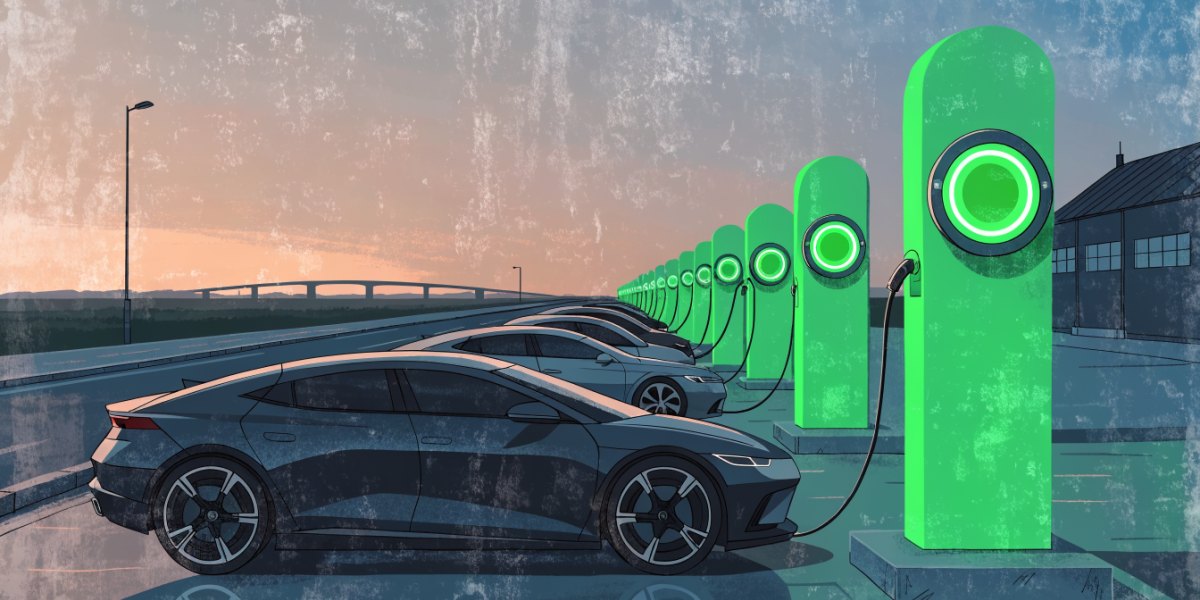 Illustration · THRIVE | |||||||||||||
The DfT has opened a consultation on strengthening electricity network capacity at motorway service areas in England - the grid upgrades that determine whether ultra-rapid charging actually gets built, not just where chargers get planned. The strategic charging infrastructure scheme targets sites where those upgrades don't currently stack up commercially, on the premise that limited access to affordable network capacity is holding back charger rollout. It also asks industry how MSAs should be selected and on what terms operators access the resulting capacity. Responses close 28 July 2026. (Department for Transport) | |||||||||||||
LCP Delta sees Britain at 83% clean power in 2030, short of 95% target | |||||||||||||
 Illustration · THRIVE | |||||||||||||
LCP Delta's GB Power Market Outlook 2026 forecasts that 83% of Great Britain's electricity generation will come from clean sources by 2030 on current plans, short of the government's 95% target, though it says faster build could reach 90%, with 95% by 2032 (LCP [https://www.lcp.com/en/media-centre/press-releases/gb-set-to-miss-2030-clean-power-target]). The government's own Clean Power 2030 Action Plan is the document fleets should be watching, not because it promises certainty but because it leans on independent advice from the National Energy System Operator to underpin the whole strategy (DESNZ). For fleets banking on a decarbonised grid to validate EV charging's carbon credentials, or timing charger and solar investment against a fixed 2030 date, our view is that building slippage into the plan now beats discovering it in year nine. | |||||||||||||
US Personal Conveyance Rules Fleets Can Learn From | |||||||||||||
 Illustration · THRIVE | |||||||||||||
Personal conveyance sounds like a technicality until a driver logs off-duty miles in a loaded truck and someone asks who's liable. Lytx's explainer is US-focused (FMCSA, not DVSA) but the discipline transfers: PC covers off-duty use of a commercial vehicle, shifts commonly run 11 to 14 hours, and crucially operators aren't legally obliged to permit it at all. The FMCSA now allows PC in a loaded trailer, dropping the old empty-trailer-only rule, with no set cap on distance, as long as no work task happens en route, though inspectors can still challenge unreasonable use. For UK fleets running US-facing operations or just tightening telematics policy, the lesson is the same: under US rules PC is a discretionary company rule, not a statutory right, so write it down and log it properly rather than leaving drivers to interpret it themselves. | |||||||||||||
| |||||||||||||
DP World opens electric HGV rental scheme for cautious hauliers | |||||||||||||
 Illustration · THRIVE | |||||||||||||
Hauliers wary of sinking capital into electric HGVs before the economics stack up get a lower-risk route in via DP World's new EVITA scheme, which rents battery-electric trucks out of Southampton for 12-week stints from July 2026 through to 2029, with Mercedes-Benz, Volvo and MAN supplying the vehicles. It builds on a pilot with Cambridge's Centre for Sustainable Road Freight, and the wider Low Carbon Truck Programme already counts over 1,500 trucks from roughly 60 hauliers, with Williams Shipping and ATL Haulage among early adopters. (SMMT) | |||||||||||||
Electra and Marvtech unveil electric hotbox truck for highway repairs | |||||||||||||
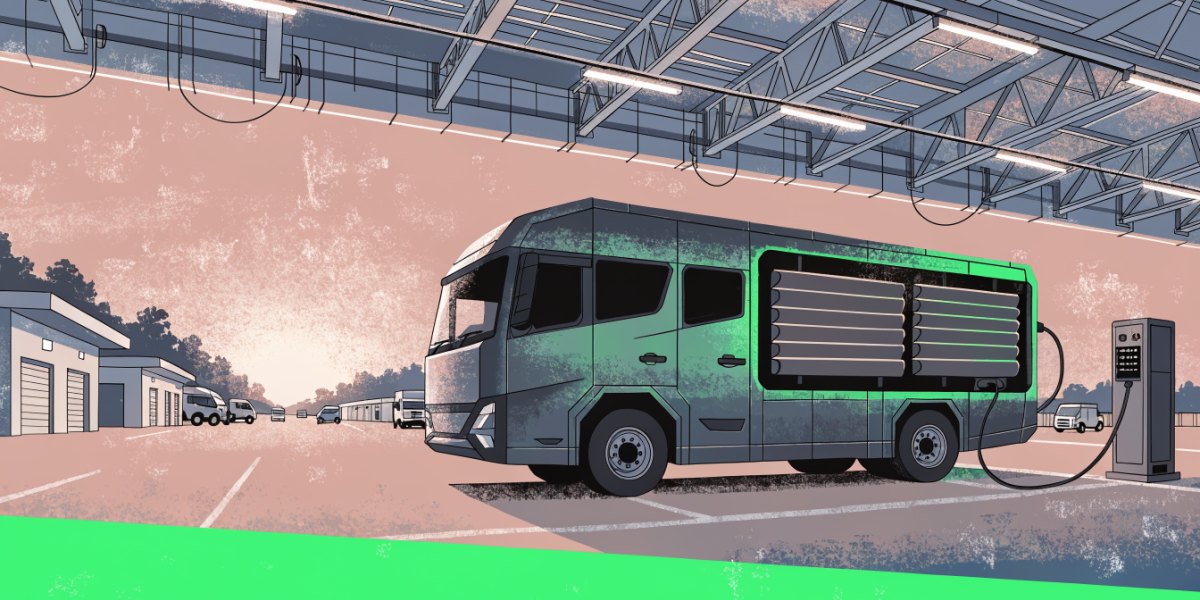 Illustration · THRIVE | |||||||||||||
Electra and Marvtech have built an electric version of what Electra calls one of the hardest vehicles in highway maintenance to decarbonise: the hotbox truck that keeps asphalt hot for road repairs, previously reliant on gas burners regardless of what sat under it. The e-Hotbox body uses six 2,500W electric heating elements on Electra's 19-tonne eCargo SEIV chassis, drawing from a 280kWh battery that DC fast-charges from 20% to 80% in under 70 minutes. For fleets working depot-to-roadworks operations under pressure to decarbonise, that's an electric option built for a duty cycle Electra says generic EV platforms have fitted poorly. | |||||||||||||
Mer installs trailer-coupled charging for Wren's ten eActros600s | |||||||||||||
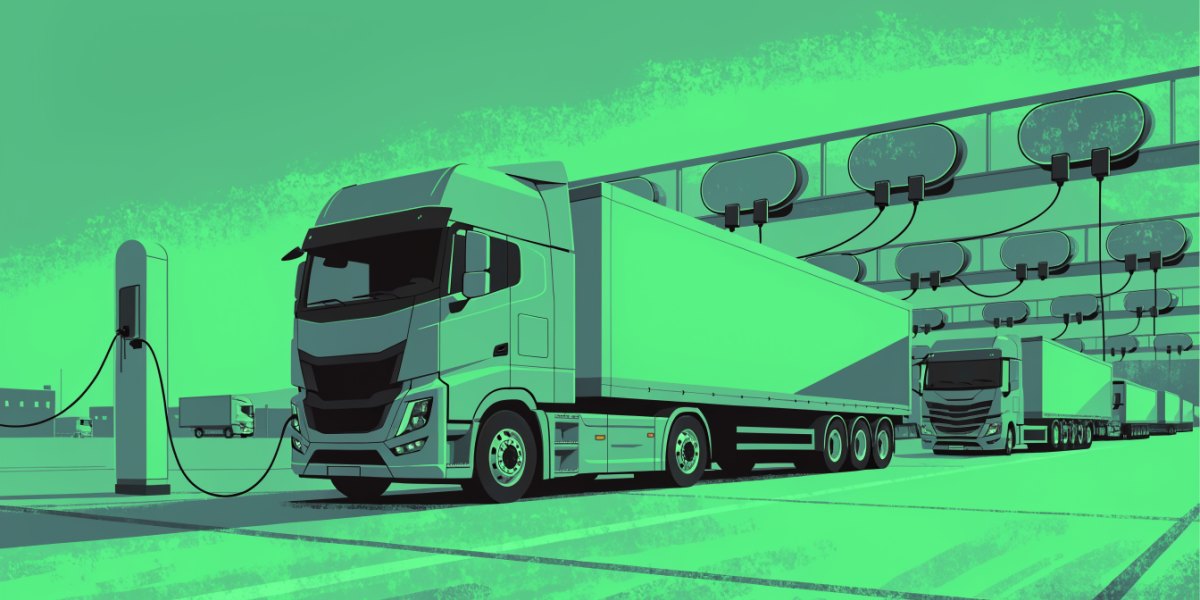 Illustration · THRIVE | |||||||||||||
Mer has built Wren Kitchens' new depot charging setup at Barton-upon-Humber to solve a specific eHGV headache: charging artics without unhooking the trailer. The installation pairs a triple Kempower power unit with six satellite chargers, dynamically splitting output across vehicles, with the chargers positioned to match the eActros600's port so trucks can plug in trailer-and-all SMMT. It took nearly two kilometres of cabling to get there. Ten eActros600s are now arriving on the back of it. | |||||||||||||
| |||||||||||||
Weaker ZEV Mandate could halve charging investment, operators say | |||||||||||||
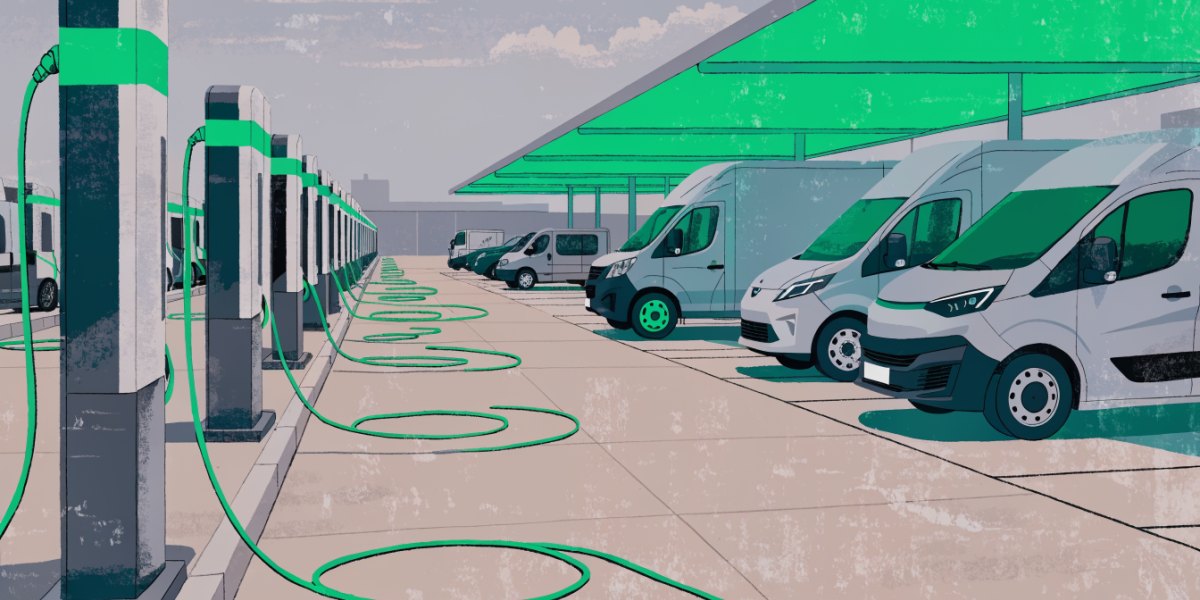 Illustration · THRIVE | |||||||||||||
ChargeUK reckons the charging sector could deliver £15.5 billion in direct economic value by 2035, part of a wider £385 billion contribution from transport electrification, with direct charging jobs forecast to grow from 12,000 today to 35,700 over the same period. The number that should actually concern fleet planners comes from a separate survey of ChargeUK's members: weaken the ZEV Mandate and charge point operators say their investment over the next five years could halve. That is the trade-off nobody running a charging rollout wants - policy wobble now shows up later as fewer chargers, longer queues and shakier residuals on your electric vans. Watch mandate signals as closely as grant tables. (ChargeUK) | |||||||||||||
| |||||||||||||
Chevin adds role-based dashboards to FleetWave | |||||||||||||
 Illustration · THRIVE | |||||||||||||
Chevin has launched a new FleetWave dashboard that lets organisations set up separate views by job role, function or business priority, build their own widgets from data already in the platform, and share dashboards under role-based access controls. Chevin says FleetWave is used in more than 180 countries to manage over a million vehicles and assets. The firm points to more than three decades in the market and a Best Fleet Management Software award from the Business Car Awards as its credentials; this reads as an incumbent tidying up its offer rather than reinventing it. Worth a look if maintenance, compliance and finance teams are all working from the same generic reports (Chevin). | |||||||||||||
Renault Group and tyre maker target EV range via rolling resistance | |||||||||||||
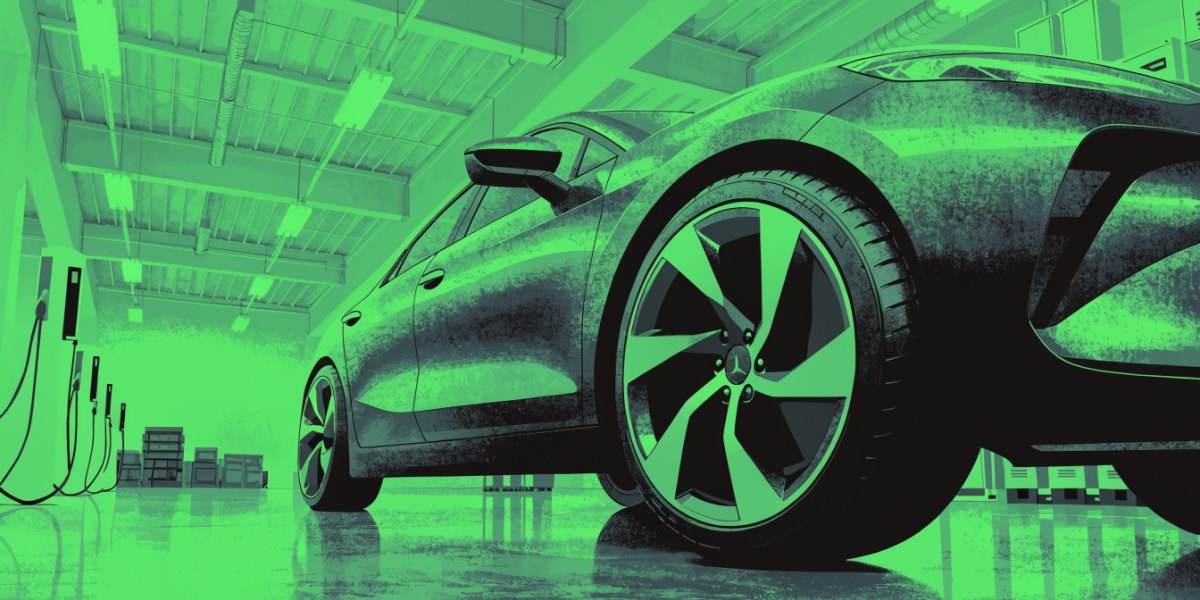 Illustration · THRIVE | |||||||||||||
Tyres are the quiet lever on EV range, and Continental has just teamed up with Renault Group to pull it harder, engineering low rolling-resistance rubber specifically for electric models. Continental puts it at up to 35% lower rolling resistance than the EU tyre label's top A rating requires, worth about 30km of extra range on a 500km battery, which makes the payoff a claim to test rather than a given - less energy wasted at the contact patch should, in theory, mean more miles per charge and fewer depot stops to plug in. For fleets weighing EV total cost of ownership, tyre choice is turning into a real efficiency lever rather than an afterthought at renewal time. Worth flagging to procurement before the next tyre contract goes out to tender. (Continental) | |||||||||||||
| |||||||||||||
UK pump prices: petrol 149.8p, diesel 164.8p per litre | |||||||||||||
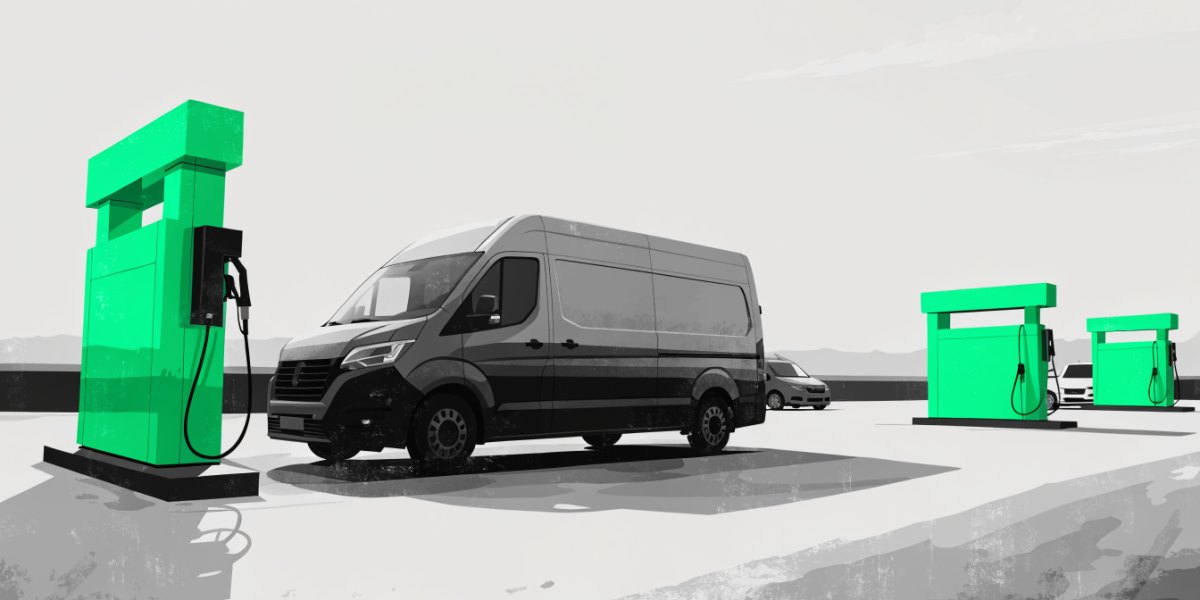 Illustration · THRIVE | |||||||||||||
| |||||||||||||
Diesel-petrol gap is still wide enough to matter for AFR-linked reimbursement, so check where the current rates leave van-heavy fleets before assuming they're covered. Diesel now averages 164.8p a litre, down 2.3p week-on-week, with petrol at 149.8p, down 1.2p - both comfortably above the dataset's low point of 111.70p and 104.87p respectively, set back in May 2020 when demand collapsed DESNZ. The direction is welcome, but with quarterly AFR reviews only ever a snapshot, a gap this size is worth checking against your own rates rather than assuming HMRC's figures already reflect it. THRIVE's UK fuel price data tracks the underlying weekly pump-price movements. | |||||||||||||
| |||||||||||||
| |||||||||||||