| ||||||||||||||||||||||||||
Grid charges could push rapid EV charging to £1/kWh by 2027Also this week: 2027/28 van benefit charge rises to £4,310, while electric vans remain tax-free. · 8 stories · 17 Nov 2026 | ||||||||||||||||||||||||||
Rapid charging costs are rising sharply: standing charges on public rapid chargers are up 616% since 2021 and could push prices toward £1/kWh by 2027, hitting fleets without home or depot charging hardest. Electric vans still pay back - diesel at 198.2p still trails the electric case above 8,637 miles, and the 2027/28 tax rules keep the van benefit charge at nil for electric - but operators relying on public rapid charging should recheck their numbers. | ||||||||||||||||||||||||||
| ||||||||||||||||||||||||||
 Illustration · THRIVE | ||||||||||||||||||||||||||
EV publication The Fast Charge and charging network Zest have published Reverse the Charge, an impact assessment built on figures from the UK's Distribution Network Operators (DNOs) and tariffs published by the National Energy System Operator (NESO). It concludes that, unless Ofgem's 2019 decision is reversed, electric car drivers could pay £1 per kWh at thousands of public charging sites in 2027, with most of that money going to energy networks. The decision in question came from Ofgem's Targeted Charging Review. According to the report, it allowed energy networks to bill businesses on their capacity to use electricity rather than on how much they consume, and took effect in 2022. These grid standing charges are payable whether or not a charger sells any electricity. For a two-connector 100kW charger, the report puts the rate at £8.78 a day in 2021 and £62.88 now, a 616% increase. EV Powered, which reported the study's detailed figures, said the report estimates that the same charger's standing charge will rise to £77.39 a day in 2027, or more than £28,000 a year, based on published DNO and NESO tariffs. Across the sector, it estimates that rapid charger operators will pay around £336 million in grid charges in 2026 and £413 million in 2027, even if no new chargers are built. The report uses two of co-author Zest's own sites as examples. At an urban charging hub in Birmingham, electricity and grid costs make up 48p of the 58p/kWh price before VAT. At an on-street ultra-rapid charger in London, they make up 58p of 64p. According to Zapmap figures cited by EV Powered, the average rapid charging session now costs 82p/kWh, up from 79p/kWh when the report's data was compiled. THRIVE tracks how much more public EV charging costs per mile than charging at home. Proposed rule changesThe report's authors argue that two proposed rule changes, DCP 420 and DCP 454, would cut grid charges for EV charging. DCP 420 would let eligible sites move to a lower standing charge band, and DCP 454 would return them to a consumption-based band. Both have spent three years in industry working groups and have yet to reach Ofgem for a decision. The report also cites internal Ofgem documents obtained under the Freedom of Information Act. It says that in a briefing for the Treasury dated October 2025, Ofgem described high fixed grid charges as keeping rapid chargers in an unproductive cycle, and said rising standing charges may have extended operators' loss-leading periods. The report adds that the Government's independent review of the cost of public charging, led by Philip New, found the Targeted Charging Review had a severe impact on operators' costs and saw no evidence that the charges are properly cost-reflective for public EV charging. According to the report, the Budget on 28 October committed £100 million to cutting costs at local, lower-powered chargers but did not address grid charges or the cost of rapid charging. In comments carried by EV Powered, Tom Riley, the report's author and founder of The Fast Charge, said: "Grid standing charges are effectively a feudal tax, enabled by Ofgem without proper thought, with money going from a driver’s pocket straight to energy networks." Zest founder and chief executive Robin Heap said: "The switch to capacity-based network charges was never intended to put the brakes on EV adoption. For public charging, however, it has created an egregious cost burden that pushes up prices for drivers and means many otherwise investable charging projects are delayed or shelved." (Source: Reverse the Charge · EV Powered) | ||||||||||||||||||||||||||
| ||||||||||||||||||||||||||
| ||||||||||||||||||||||||||
POLICY & TAX | ||||||||||||||||||||||||||
Surrey drivers issued £15.5m in ULEZ penalties since 2019 as county council maintains refusal to install signsVehicles registered to Surrey addresses received 76,305 ULEZ penalty charge notices in 2024 alone, according to TfL figures, though more than two thirds of first-stage appeals from Surrey succeeded. TfL says it relies on boundary councils to put up warning signs on the approaches to the zone. | ||||||||||||||||||||||||||
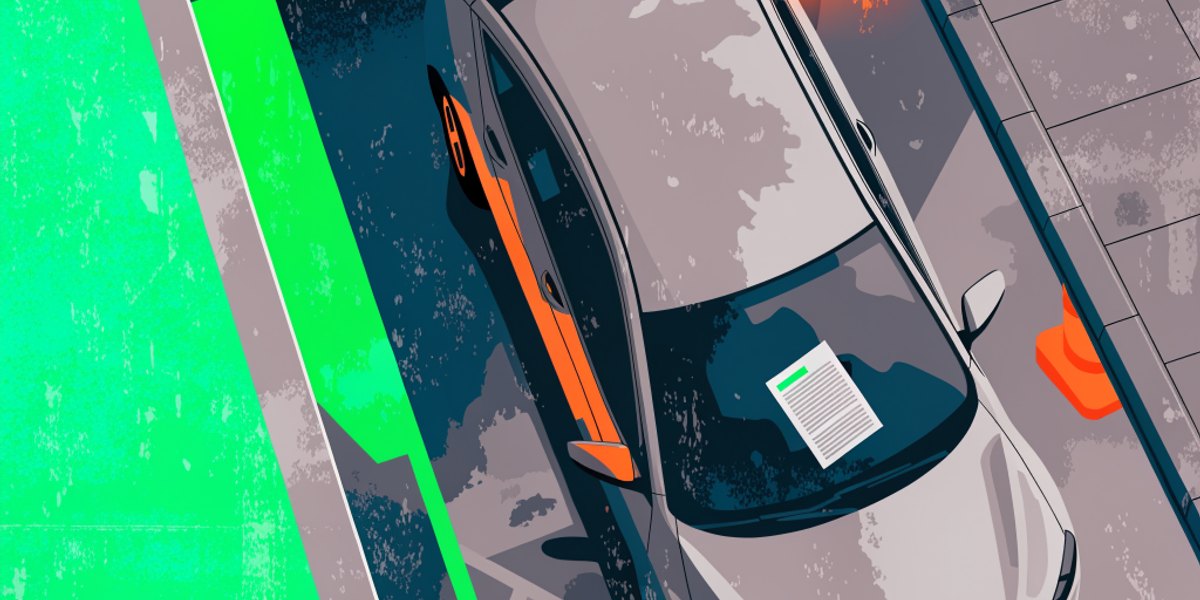 Illustration · THRIVE | ||||||||||||||||||||||||||
Transport for London figures released under a freedom of information request and reported by the Local Democracy Reporting Service (LDRS) show £15.513m in penalties issued to Surrey addresses for not paying ULEZ charges since the zone began in 2019. TfL's data puts Surrey's share at around 3% of all ULEZ penalties issued over that period. | ||||||||||||||||||||||||||
POLICY & TAX | ||||||||||||||||||||||||||
Company van tax 2027/28: the £4,310 van benefit charge, and why electric vans still pay nothingThe van benefit charge rises to £4,310 and the van fuel benefit to £825 from 6 April 2027. A higher-rate taxpayer with a diesel van and private fuel will pay £2,054, and their employer £770.25. An electric van is still taxed at nothing, and from April the tax moves into payroll. | ||||||||||||||||||||||||||
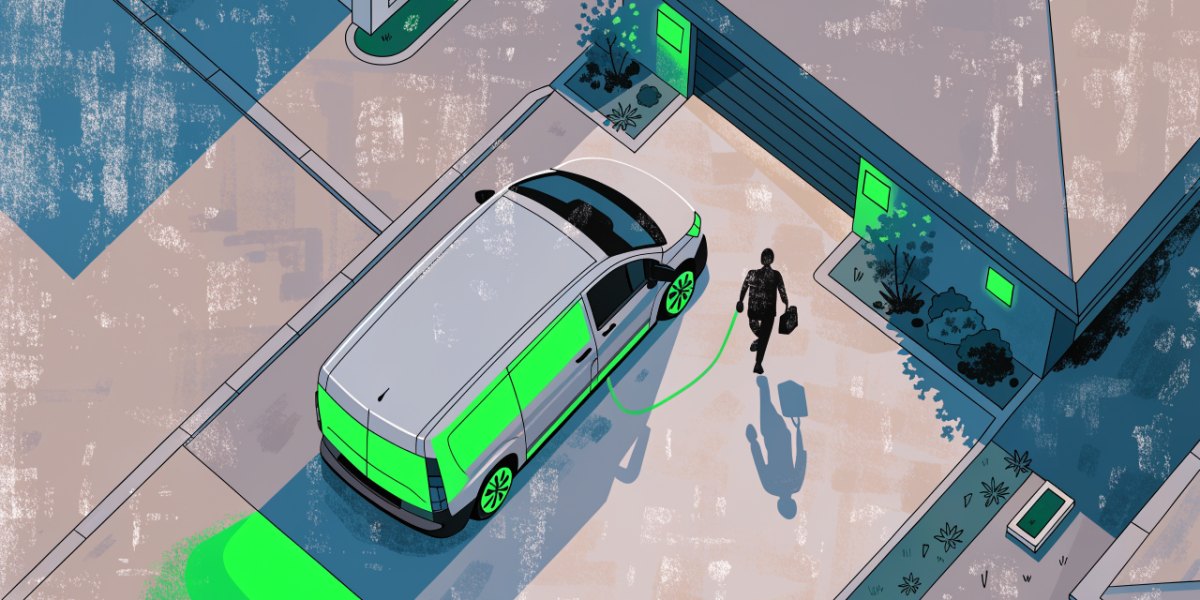 Illustration · THRIVE | ||||||||||||||||||||||||||
An employee who can use a company van privately will be taxed on a flat £4,310 of benefit in 2027/28, up from £4,170, the government confirmed in the Budget on 28 October 2026. If the employer also pays for private fuel, a further £825 is added. Both charges have risen with inflation, as they do most years. The changes that matter more in 2027/28 are elsewhere: the way the tax is collected moves into payroll from April 2027, and an electric van is still taxed at nothing. | ||||||||||||||||||||||||||
THE NUMBERS | ||||||||||||||||||||||||||
The numbers, 16 Nov: Diesel eases to 198.2p but electric vans still pay back above 8,637 milesA small fall in diesel barely dents the electric van case, which still rests on cheap home or depot charging. Fleets leaning on public rapid chargers should run their own numbers before the next fuel-rate review. | ||||||||||||||||||||||||||
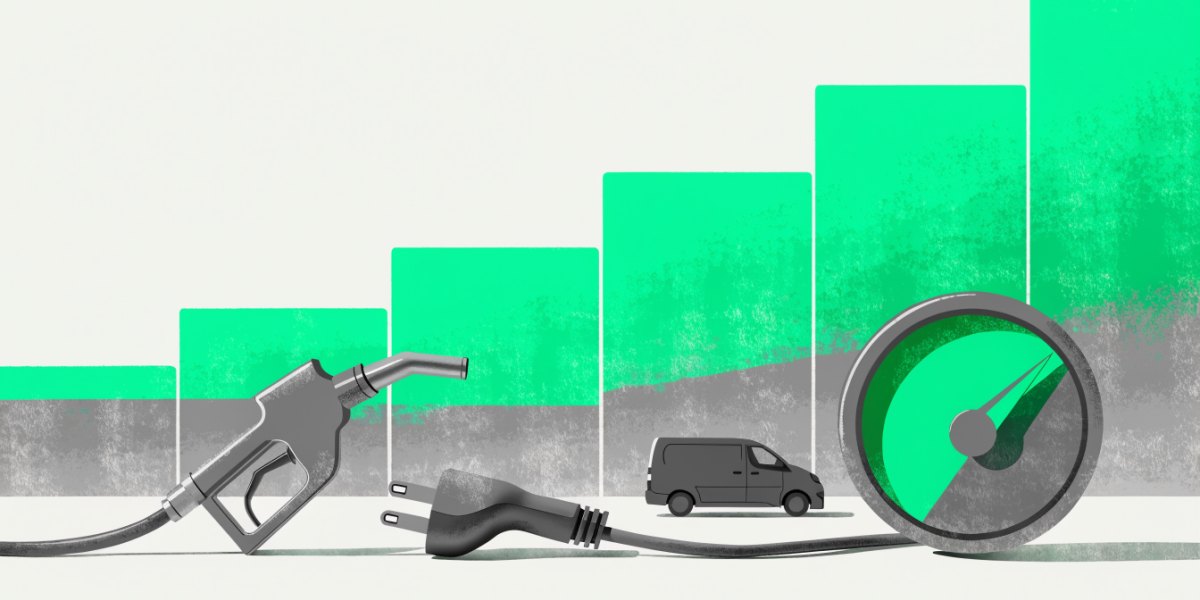 Illustration · THRIVE | ||||||||||||||||||||||||||
198.2p (-0.4p on the week, -1.8p in four weeks). Pump price per litre, week of 9 Nov. Petrol 170.7p. See the data. | ||||||||||||||||||||||||||
VEHICLES & LAUNCHES | ||||||||||||||||||||||||||
Most economical diesel vans 2026: Kangoo and Transit Courier at 53.3 mpg, and what the gap costs a mileTHRIVE ranked every diesel van in its database with a verified official economy figure and priced the fuel. The Renault Kangoo and Ford Transit Courier lead small vans at 53.3 mpg, the Renault Trafic leads medium vans and the Renault Master large ones. In large vans the gap is worth £1,724 a year. | ||||||||||||||||||||||||||
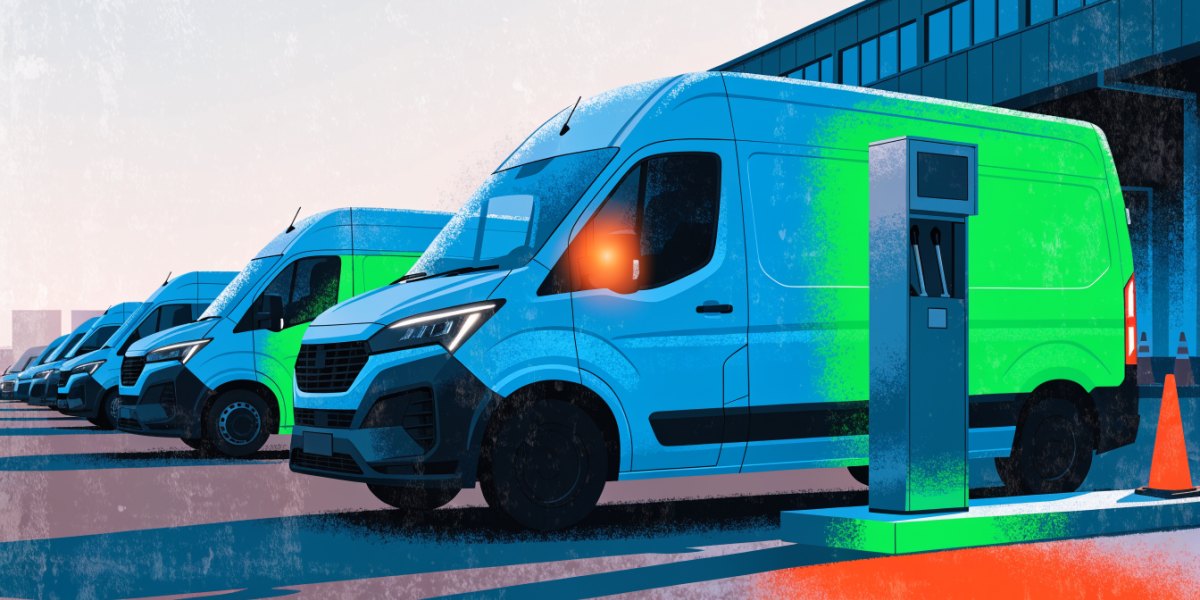 Illustration · THRIVE | ||||||||||||||||||||||||||
At the start of November 2026 a litre of diesel cost 198.6p at the pump, on the government's weekly average. That price turns every tenth of an mpg into money. THRIVE ranked every diesel van in its database that has a verified official fuel economy figure, then priced the fuel. In large vans, the most economical version uses £1,724 a year less diesel than the least economical one at 18,000 miles, before VAT. | ||||||||||||||||||||||||||
MARKET & BUSINESS | ||||||||||||||||||||||||||
Fresh Produce Consortium warns draft UK–EU SPS deal would bring EU-style checks on non-EU produce importsThe trade body estimates that controls on up to 120,000 Rest of World fresh produce consignments a year would add more than £300m in cost, roughly £2,500 a consignment. It says that cost would fall on importers, hauliers and wholesalers, and finally on shoppers. | ||||||||||||||||||||||||||
 Illustration · THRIVE | ||||||||||||||||||||||||||
The Fresh Produce Consortium (FPC) has warned that the UK and EU's draft sanitary and phytosanitary (SPS) agreement would impose EU-style controls on fresh produce imported from outside the EU for UK consumers. FPC chief executive Nigel Jenney set out the warning in a statement published on Multimodal's website on 10 November 2026. The statement responds to Logistics UK's welcome for reports that the two sides have finalised a draft of the deal. | ||||||||||||||||||||||||||
CHARGING & ENERGY | ||||||||||||||||||||||||||
Source opens first Lidl GB EV charging hub in Birstall with 10 van-sized baysTen of the 12 bays at the SSE and TotalEnergies joint venture's West Yorkshire site are sized for vans and LCVs, at a hub with speeds of up to 320kW two minutes from junction 27 of the M62. | ||||||||||||||||||||||||||
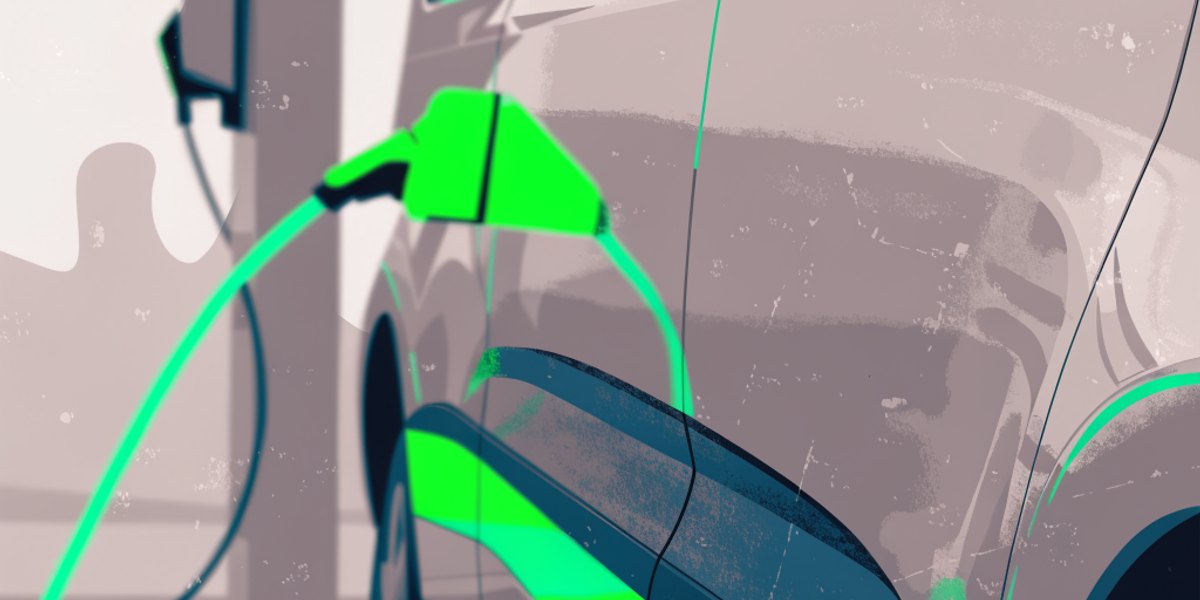 Illustration · THRIVE | ||||||||||||||||||||||||||
Source, the ultra-rapid charging joint venture between SSE and TotalEnergies, has opened its first EV charging hub at a Lidl GB supermarket, Van Fleet World reports. The hub is at a new Lidl store in Birstall, West Yorkshire, two minutes from junction 27 of the M62, and has 12 bays with speeds of up to 320kW. | ||||||||||||||||||||||||||
VEHICLES & LAUNCHES | ||||||||||||||||||||||||||
Malcolm Logistics' second MAN eTGX electric tractor to go on show at RTX ScotlandThe 4x2 eTGX 20.544, with 480kWh of batteries, 375kW DC charging and a 42-tonne gross combination weight, will be displayed opposite MAN's stand at SEC Glasgow on 18 and 19 November. HGV operators at the show can see a battery-electric tractor specified for a UK haulage fleet. | ||||||||||||||||||||||||||
 Illustration · THRIVE | ||||||||||||||||||||||||||
MAN Truck & Bus UK has added another customer vehicle to its presence at the RTX Show at SEC Glasgow on 18 and 19 November. It is a new Malcolm Logistics eTGX 20.544 BL SA EB 4x2 tractor, the second battery-electric eTGX to join the Malcolm Logistics fleet. It will be shown on stand C30 in Hall 3, directly opposite MAN's own stand, B30. | ||||||||||||||||||||||||||
|