
CMA finds weak competition, not crisis profiteering, behind fuel prices
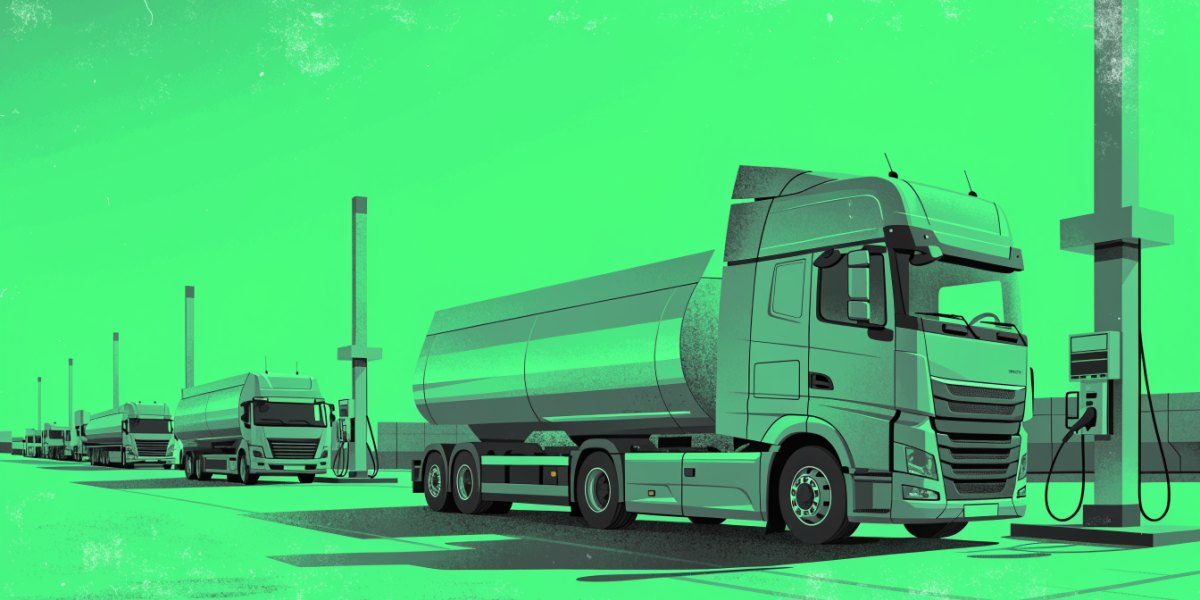
The CMA's ongoing scrutiny of fuel markets since the Middle East conflict began has landed on a verdict fleets should note: it isn't crisis profiteering keeping pump prices high, it's a market that doesn't compete hard enough. That distinction matters for anyone modelling fuel costs into future budgets, because it points to a structural problem rather than a temporary spike.
The regulator has been monitoring petrol and diesel pricing and enforcing the Fuel Finder scheme throughout, with updates in March and August tracking pressures as they emerged. Its parallel heating oil market study, launched in March and concluded on 15 July, reached a similar conclusion for domestic heating oil: the CMA said households needed stronger protections, again pointing to weak competitive dynamics rather than exploitation of the crisis (CMA). The CMA also wrote directly to the Chancellor setting out its monitoring approach, underlining that this is now a standing watch rather than a one-off intervention (CMA).
Why this matters: if elevated pump prices are a competition failure rather than a temporary shock, don't expect them to correct on their own once geopolitical tensions ease. Fleets should build sustained fuel-cost pressure into procurement and AFR reviews rather than treating current pricing as an anomaly waiting to unwind.
Primary sources
GOV.UK - https://www.gov.uk/government/collections/cma-response-to-economic-impacts-of-the-conflict-in-the-middle-eastNamed in this story? You have a right of reply: email hello@thrivefleet.co.uk and a challenged claim will be marked under review while we check it.