| ||||||||||||||||||||||||||
New car registrations up 5.4% in October, SMMT warns ZEV Mandate gap will widenAlso inside: HGV tonnage down 2% as driver vacancies rise, and new VED rates from April 2027 · 8 stories · 10 Nov 2026 | ||||||||||||||||||||||||||
October's registrations rose 5.4% and battery electric cars took almost a third of sales, yet SMMT says the market is falling further behind the ZEV Mandate's 2026 and 2028 targets, and is pressing government to cut them. For vans, falling diesel prices still leave electric cheaper per mile above 8,610 annual miles, while VED rates for cars and vans rise with RPI from April 2027, a modest but certain addition to total cost of ownership. | ||||||||||||||||||||||||||
| ||||||||||||||||||||||||||
 Illustration · THRIVE | ||||||||||||||||||||||||||
UK new car registrations rose 5.4% to 152,730 in October, according to the Society of Motor Manufacturers and Traders (SMMT). It was the market's 11th consecutive monthly increase, though SMMT said growth was around half the rate seen across the first 10 months of the year, following a strong September number-plate change. Battery electric vehicle (BEV) registrations rose 32.7% to take a 32.0% market share, the highest this year. Plug-in hybrid registrations rose 30.1% to a 15.0% share. SMMT attributed the BEV jump to manufacturers pushing registrations closer to the annual mandated target, repeating the pattern of the previous two years. Fleet registrations rose 5.4% to 89,985, keeping fleet share unchanged at 58.9%. Private demand increased 4.1% to 58,229, a 38.1% share, and business registrations climbed 24.5% to 4,516. So far this year 503,805 BEVs have been registered, up 30.4% on 2025, giving a year-to-date BEV share of 26.6%. Mandate gap forecastSMMT's latest market outlook expects BEV share to reach 27.2% in 2026, against the 33% ZEV Mandate target. It forecasts a 32% share in 2027 against a 38% target, and 37.5% in 2028 against a required 52%. That 2028 gap of 14.5 percentage points would be more than double this year's shortfall. SMMT said manufacturers have been forced to spend billions on discounts, low and 0% finance, deposit contributions and subsidised charging to push EV sales beyond underlying demand. The industry body, which called for ZEV Mandate reform last month, is urging the government to revise the targets down to better reflect demand, with full flexibilities throughout the regulation. SMMT chief executive Mike Hawes said: "Higher targets may force supply, but they do not create demand. The ZEV Mandate review must deliver substantive reform effective immediately to ensure we have a healthy market and an attractive pitch to investors." SMMT also pointed to last week's Budget, which it said confirmed a new EV-specific tax, eVED, from 2028, and to proposed regulation to keep VAT on public charging at 20%. It argued these send mixed messages to consumers. (Source: SMMT) | ||||||||||||||||||||||||||
| ||||||||||||||||||||||||||
| ||||||||||||||||||||||||||
MARKET & BUSINESS | ||||||||||||||||||||||||||
DfT road freight statistics: HGV tonnage down 2% as more firms report driver vacanciesGB-registered HGVs lifted 1.55 billion tonnes in the UK in the year to June 2026 while covering 4% less distance. Among HGV businesses surveyed, 28% reported driver vacancies in the second quarter, up from 25% in the first. | ||||||||||||||||||||||||||
 Illustration · THRIVE | ||||||||||||||||||||||||||
The Department for Transport updated its domestic road freight statistics on 4 November 2026. The update covers July 2025 to June 2026 and includes HGV driver vacancy survey results. GB-registered HGVs operating in the UK lifted an estimated 1.55 billion tonnes of goods in the 12 months ending June 2026. That was 2% less than the 1.58 billion tonnes lifted in the 12 months ending June 2025. | ||||||||||||||||||||||||||
THE NUMBERS | ||||||||||||||||||||||||||
The numbers, 9 Nov: Diesel slips to 198.6p; electric vans pay back above 8,610 miles a yearDiesel is drifting down but still costs a van 2.67 times as much per mile as electricity. Whether switching a van pays now depends mostly on its mileage and where it charges. | ||||||||||||||||||||||||||
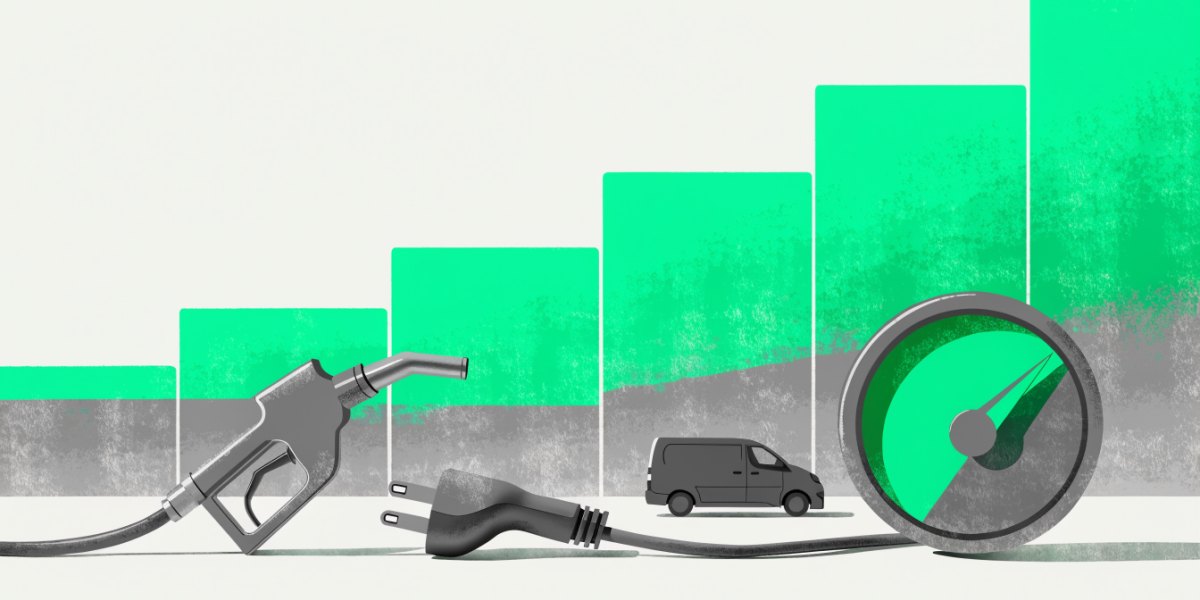 Illustration · THRIVE | ||||||||||||||||||||||||||
198.6p (-0.6p on the week, -0.9p in four weeks). Pump price per litre, week of 2 Nov. Petrol 172.8p. See the data. | ||||||||||||||||||||||||||
POLICY & TAX | ||||||||||||||||||||||||||
VED from April 2027: every car and van rate, and what fleets payVehicle Excise Duty for cars, vans and motorcycles rises with RPI from 1 April 2027, as confirmed in the Budget on 28 October 2026. The standard car rate goes from £200 to £210 a year and the main van rate from £360 to £375, while a zero-emission car still pays £10 in its first year. HM Treasury's rates annex sets out every band. | ||||||||||||||||||||||||||
 Illustration · THRIVE | ||||||||||||||||||||||||||
Vehicle Excise Duty for cars, vans and motorcycles goes up with the Retail Prices Index from 1 April 2027. The government confirmed the uprating in the Budget on 28 October 2026, and HM Treasury's rates and allowances annex sets out every band for 2027 to 2028. | ||||||||||||||||||||||||||
POLICY & TAX | ||||||||||||||||||||||||||
TfGM says it has no plans for a Greater Manchester congestion chargeDrivers and fleets operating in Greater Manchester face no congestion charge under Transport for Greater Manchester's current plans, even as a Manchester City Council report puts the cost of the region's congestion at £1.3bn a year. TfGM says it is investing in the Bee Network instead. | ||||||||||||||||||||||||||
 Illustration · THRIVE | ||||||||||||||||||||||||||
Transport for Greater Manchester (TfGM) has said there are no plans for a congestion charge anywhere in Greater Manchester. In Local Democracy Reporting Service copy published by ManchesterWorld on 4 November, a TfGM spokesperson said: "There are no plans for a congestion charge in any part of Greater Manchester, instead we are investing heavily in the Bee Network to give people a reliable alternative to getting in their car." | ||||||||||||||||||||||||||
VEHICLES & LAUNCHES | ||||||||||||||||||||||||||
Volkswagen Caravelle replaces Multivan as UK orders open from £41,960 ex-VATVolkswagen Commercial Vehicles' seven-seat people carrier, previously sold in the UK as the Multivan, now comes in Life, Style and a new Edition trim. First customer deliveries are expected in early 2027. | ||||||||||||||||||||||||||
 Illustration · THRIVE | ||||||||||||||||||||||||||
Volkswagen Commercial Vehicles UK has opened order books for the new Caravelle, the people carrier it previously sold in the UK as the Multivan. Volkswagen's UK site says the Multivan is becoming the Caravelle and that the new model is open for order. According to autoevolution, orders opened on 5 November 2026, with prices starting from £41,960 excluding VAT. | ||||||||||||||||||||||||||
CHARGING & ENERGY | ||||||||||||||||||||||||||
InstaVolt charging rewards can now be converted to Virgin PointsDrivers who pay for charging through the InstaVolt app earn between one and 15 Volts per £1 spent. From 2 November 2026 they can move those Volts into Virgin Red at one-to-one, or keep them as InstaVolt charging credit worth 1p each. | ||||||||||||||||||||||||||
 Illustration · THRIVE | ||||||||||||||||||||||||||
InstaVolt has partnered with Virgin Red, Virgin's rewards club, to let UK drivers convert points earned from charging into Virgin Points. The partnership was announced in London on 2 November 2026. From that date, drivers can transfer their InstaVolt Miles points, known as Volts, into Virgin Points at a rate of one Volt to one Virgin Point. | ||||||||||||||||||||||||||
CHARGING & ENERGY | ||||||||||||||||||||||||||
Believ to install four ultra-rapid EV charging bays at Tesco site off the A46 near EveshamThe Worcestershire hub will be fully funded by Believ under a partnership with Bengeworth Property Investments Limited. It is aimed at drivers travelling the A46 as well as Tesco customers and local residents, with delivery expected by the first quarter of 2027. | ||||||||||||||||||||||||||
 Illustration · THRIVE | ||||||||||||||||||||||||||
Charge point operator Believ has partnered with Bengeworth Property Investments Limited to provide ultra-rapid EV charging near Evesham in Worcestershire. Four ultra-rapid charging bays are planned for a Tesco site off the A46, and Believ will fully fund the chargers. | ||||||||||||||||||||||||||
|