| |||||||||||||||||||||||||||||
Budget 2026 extends 5p fuel duty cut and HGV road tax holiday to July 2027Review finds public charging prices up 69% AC and 94% DC since 2021, with reform proposals. · 8 stories · 03 Nov 2026 | |||||||||||||||||||||||||||||
This week's Budget extends the 5p fuel duty cut and HGV road tax holiday to July 2027, alongside permanent higher mileage rates and an extended electricity VAT cut for home charging. Separately, £100m is earmarked to lower residential public charging costs from 2027, while an independent review finds public charging prices up 69% for AC and 94% for DC since 2021. Electric van economics continue to improve, with THRIVE's break-even down 25.8% since July as diesel rises 19.2%. | |||||||||||||||||||||||||||||
| |||||||||||||||||||||||||||||
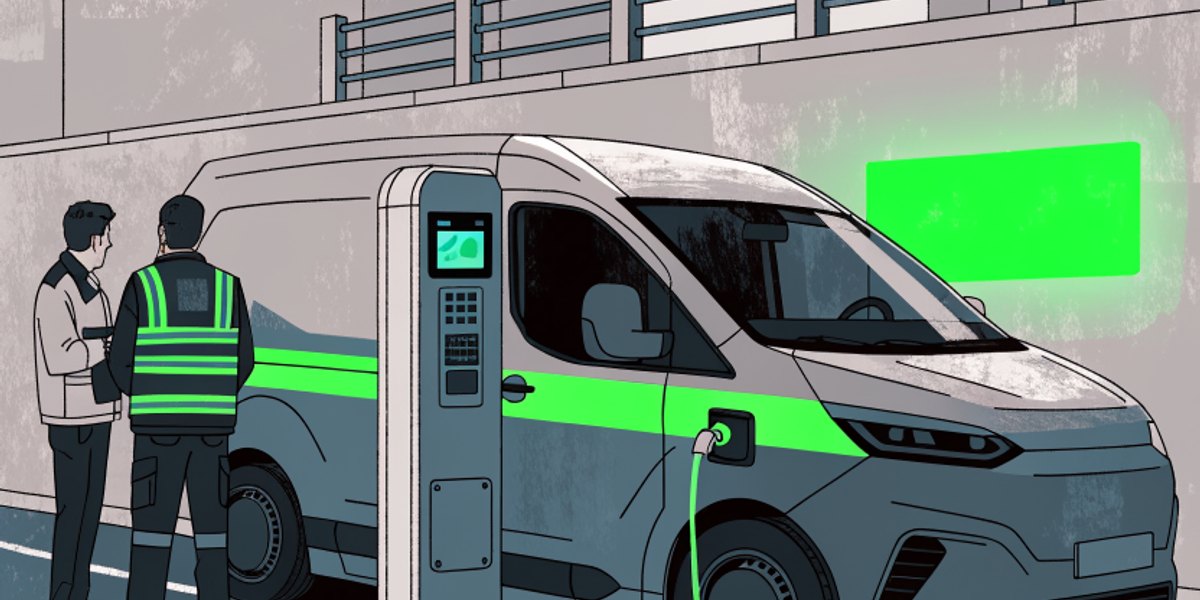 Illustration · THRIVE | |||||||||||||||||||||||||||||
The Budget Report, laid before the House of Commons on 28 October 2026, extends the 5p fuel duty cut and freeze to 1 July 2027. It also maintains the HGV road tax holiday to the same date. Both remain temporary measures. Treasury figures in the Budget show UK pump prices rose between February and October 2026, with petrol up 33% and diesel up 41%. The equivalent rises were 19% for petrol and 31% for diesel in Germany, and 30% and 42% in France. The UK average diesel pump price was 199.2p a litre in the week of 26 October 2026, according to government figures tracked by THRIVE. Electricity VAT and home chargingThe Budget also extends the VAT cut on electricity to July 2027. The Treasury expects this to take around £50 off the annual Ofgem price cap in April 2027. Fleet Alliance's analysis of the Budget says VAT on qualifying domestic electricity in Great Britain fell from 5% to 0% on 1 October 2026, and that the extension will continue to reduce the cost of home charging. The Government expects the extended relief to apply in Northern Ireland from April 2027. Mileage ratesThe tax-free mileage rates for people who use their own vehicle for work are being increased permanently. According to Fleet Alliance, the rate for the first 10,000 business miles in a tax year rose from 45p to 55p per mile from 6 April 2026, and that increase is now permanent. The rate above 10,000 business miles will rise from 25p to 35p per mile from 6 April 2027. These are tax-free allowance rates rather than amounts employers are required to pay. Company car tax and eVEDFleet Alliance reports that the Budget confirmed company car benefit-in-kind rates for 2030/31. Every band rises by one percentage point on 2029/30, subject to a maximum of 40%, taking zero-emission cars from 9% to 10%. It also notes that mandatory payrolling of company car, van, fuel and medical benefits, announced previously, is due to take effect from 6 April 2027. The Budget document describes Electric Vehicle Excise Duty (eVED) as a previous decision, taken to respond to the long-term decline in fuel duty receipts. According to Fleet Alliance, this Budget added further detail: from 1 April 2028 eVED will apply alongside standard VED, at 3p per mile for fully electric and hydrogen fuel-cell cars and 1.5p per mile for plug-in hybrid cars, with rates scheduled to rise in line with CPI from 2029/30. Fleet Alliance adds that the Government intends to introduce arrangements for leasing and rental businesses, including the ability to estimate mileage centrally, though the details are still being developed. Public chargingElectricity supplied through public charge points remains subject to 20% VAT, Fleet Alliance notes. The Government is setting up a taskforce to explore whether drivers could use their domestic electricity tariff at local, lower-powered public charge points. It has also announced £100 million over two years to reduce the cost of that charging, with support expected to take effect from spring 2027. (Source: GOV.UK (host) · Fleet Alliance) | |||||||||||||||||||||||||||||
| |||||||||||||||||||||||||||||
| |||||||||||||||||||||||||||||
POLICY & TAX | |||||||||||||||||||||||||||||
Budget 2026: £100m to cut charging costs at residential public EV charge pointsFrom spring 2027, EV drivers who rely on lower-powered public chargers on residential streets will pay less to charge. HM Treasury estimates they will save around £150 a year on average, and an industry taskforce will look at letting drivers use their cheaper home energy tariff at certain public chargers. | |||||||||||||||||||||||||||||
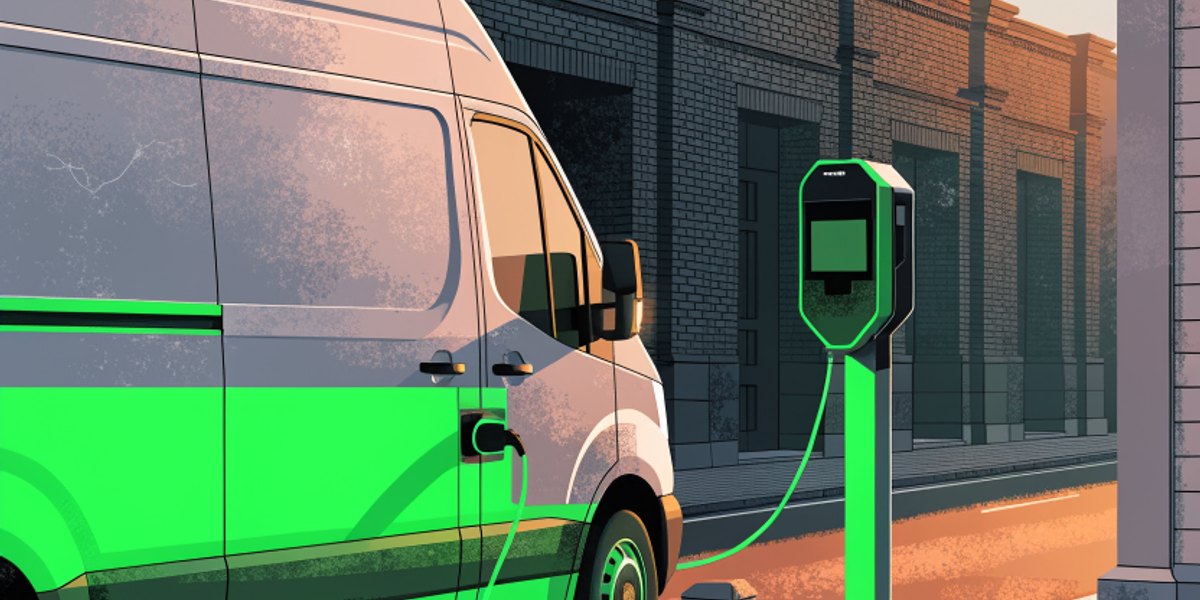 Illustration · THRIVE | |||||||||||||||||||||||||||||
HM Treasury announced in Budget 2026, on 28 October, that the government will provide £100 million over two years from spring 2027 to cut charging costs for motorists using lower-powered public charge points near their homes. | |||||||||||||||||||||||||||||
MARKET & BUSINESS | |||||||||||||||||||||||||||||
THRIVE's medium electric van break-even is down 25.8% since July to 8,566 miles a yearTHRIVE's break-even for medium electric vans is down 25.8% since 20 July as diesel rose 19.2%. Here is a three-band renewal rule built from the series, and the checks that decide whether it holds for your fleet. | |||||||||||||||||||||||||||||
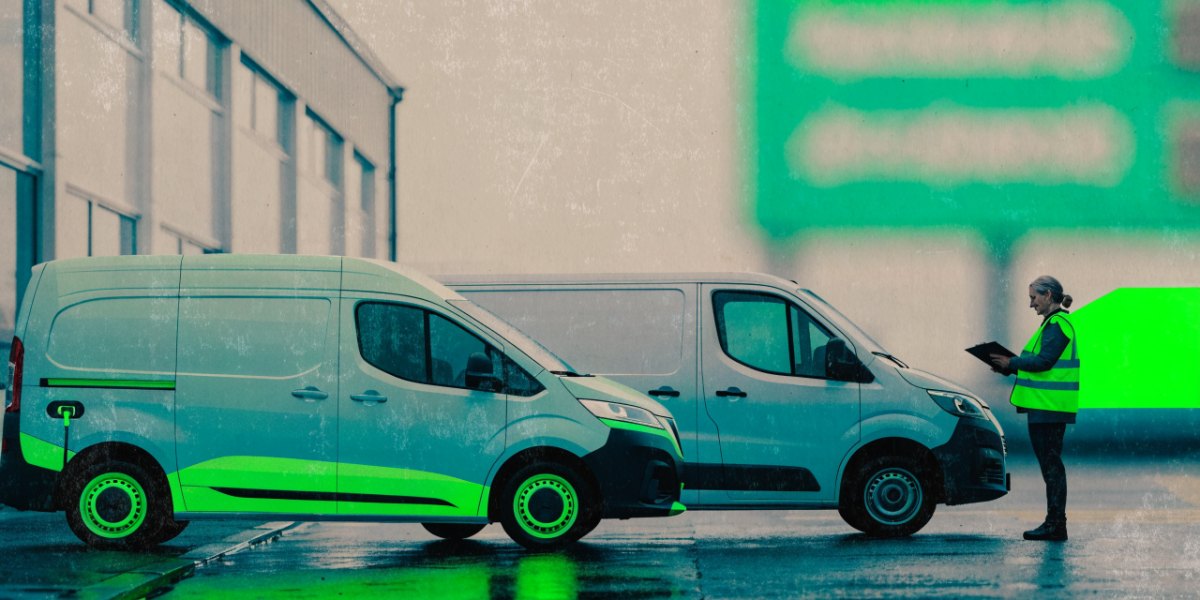 Illustration · THRIVE | |||||||||||||||||||||||||||||
THRIVE's electric van break-even stood at 8,566 miles a year in the week commencing 26 October. That is the annual mileage at which the median post-grant price premium of a medium electric van is repaid by fuel savings over four years. On 20 July the same measure was 11,538 miles, so the threshold has fallen by 25.8%. | |||||||||||||||||||||||||||||
THE NUMBERS | |||||||||||||||||||||||||||||
The numbers, 2 Nov: Diesel edges up over the month as electric vans pay back above 8,566 milesFuel costs barely moved this week, but the running-cost gap between diesel and electric is wide enough for many higher-mileage vans to recover their premium. Public rapid charging remains the weak point in that case. | |||||||||||||||||||||||||||||
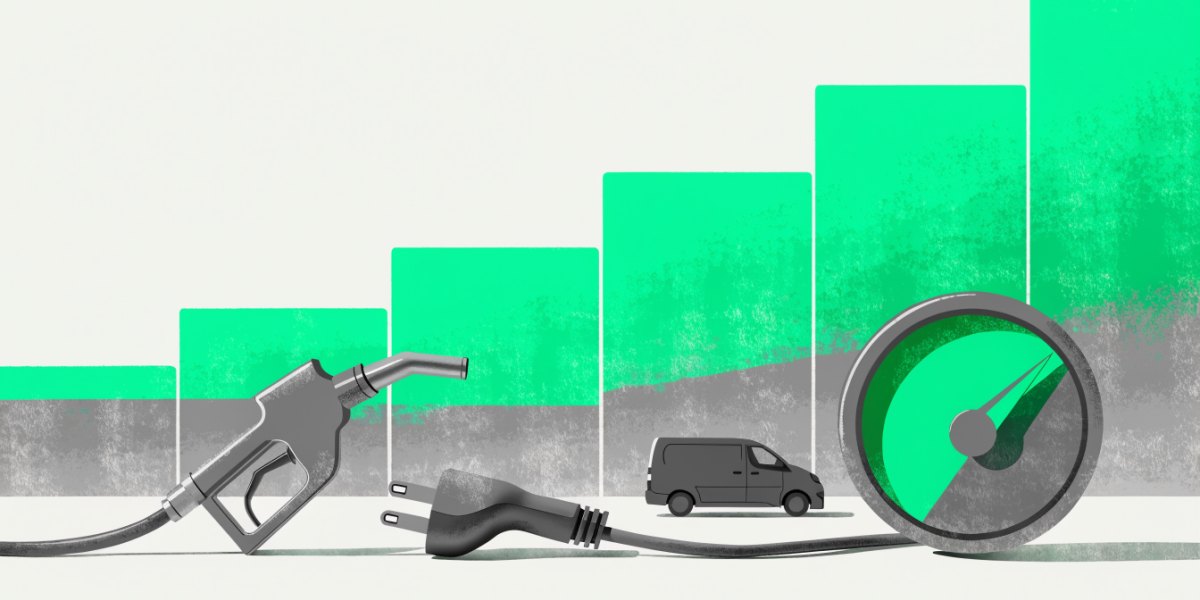 Illustration · THRIVE | |||||||||||||||||||||||||||||
199.2p (-0.1p on the week, +1.6p in four weeks). Pump price per litre, week of 26 Oct. Petrol 174.1p. See the data. | |||||||||||||||||||||||||||||
CHARGING & ENERGY | |||||||||||||||||||||||||||||
Allye Energy launches MEV depot EV charger with built-in storage from repurposed EV batteriesAimed at fleet depots without the grid capacity for rapid charging, the MEV is claimed to deliver up to 400kW across two vehicles from an existing supply without a grid upgrade. Prices start at £70,000, with deliveries expected in Q2 2027. | |||||||||||||||||||||||||||||
 Illustration · THRIVE | |||||||||||||||||||||||||||||
Clean-tech company Allye Energy has launched the Allye MEV (MAX for EV), a dedicated EV charger with built-in battery storage made from whole repurposed electric vehicle packs, according to Allye's announcement as published by TimesTech Media. Allye describes it as the world's first such product. | |||||||||||||||||||||||||||||
CHARGING & ENERGY | |||||||||||||||||||||||||||||
Public EV charging cost review calls for tariff porting, price support and network charge reformPhilip New's independent review for DfT, DESNZ and the Treasury finds average public charging prices up 69% for AC and 94% for DC in real terms since 2021. Its five recommendations to government cover drivers without home charging, network charges at charging sites and fleet depots, and a possible role for porting in fleets and company cars. | |||||||||||||||||||||||||||||
 Illustration · THRIVE | |||||||||||||||||||||||||||||
The independent Cost of Public Electric Vehicle Charging Review was published on 28 October 2026 by the Department for Transport, the Department for Energy Security and Net Zero and HM Treasury. Philip New led it on behalf of the three departments. The government committed to the review at Budget 2025, and New conducted it between April and October 2026. It makes five recommendations to the UK Government, which it says should be taken forward as a coherent package rather than in isolation. | |||||||||||||||||||||||||||||
VEHICLES & LAUNCHES | |||||||||||||||||||||||||||||
Facelifted Hyundai IONIQ 6 UK prices start at £33,240 with Electric Car GrantOrders are open now for the electric saloon's realigned Premium, N Line and N Line Evo line-up, with UK deliveries in early 2027. Hyundai says the Premium RWD and N Line RWD versions qualify for the £3,750 grant, and every version uses an 84kWh battery. | |||||||||||||||||||||||||||||
 Illustration · THRIVE | |||||||||||||||||||||||||||||
Hyundai Motor UK has announced UK pricing and specifications for the facelifted IONIQ 6. The car is available to order now, with deliveries due in early 2027. The trim line-up has been realigned to Premium, N Line and N Line Evo, all with an 84kWh battery and a choice of 229PS rear-wheel drive or 325PS all-wheel drive. The Premium is listed in RWD form only. | |||||||||||||||||||||||||||||
VEHICLES & LAUNCHES | |||||||||||||||||||||||||||||
Changan Deepal S05 Ultra PHEV launches in UK from £32,990The plug-in hybrid SUV comes in Pro and Max trims alongside the all-electric Deepal S05 and S07. Changan quotes up to 62 miles of WLTP electric range and 47g/km CO2 from an 18.4kWh battery. | |||||||||||||||||||||||||||||
 Illustration · THRIVE | |||||||||||||||||||||||||||||
Changan has introduced the Deepal S05 Ultra PHEV, a plug-in hybrid SUV, to the UK, according to Electric Cars Report. The entry-level Pro starts at £32,990 and the more extensively equipped Max costs £34,990. | |||||||||||||||||||||||||||||
|