

Budget 2026: £100m to cut charging costs at residential public EV charge points
From spring 2027, EV drivers who rely on lower-powered public chargers on residential streets will pay less to charge. HM Treasury estimates they will save around £150 a year on average, and an industry taskforce will look at letting drivers use their cheaper home energy tariff at certain public chargers.
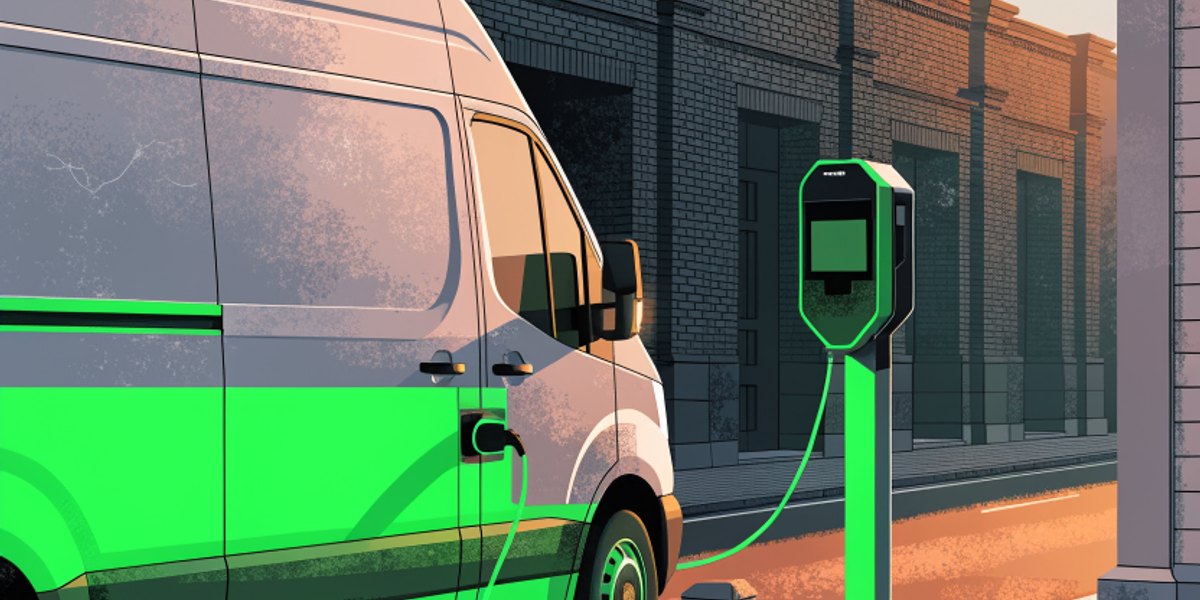
HM Treasury announced in Budget 2026, on 28 October, that the government will provide £100 million over two years from spring 2027 to cut charging costs for motorists using lower-powered public charge points near their homes.
The scheme will cover chargers typically found on residential streets, where vehicles can be left to charge for several hours or overnight. The government says these make up around a third of the current charging network.
The Treasury said it will cut prices at local, lower-powered chargers across Britain. It estimates that drivers who rely on them will save around £150 a year on average. It linked the measure to the around a third of UK households that lack access to off-street parking or a driveway.
The funding follows the independent review into the cost of charging EVs on the public network, which the government announced at Budget 2025. According to the Treasury, the review found that average prices at lower-powered chargers, such as those on residential streets, have risen by 69% in real terms since 2021. Prices at higher-powered chargers, such as those at motorway service areas and electric forecourts, have risen by 94% over the same period.
The government will also take forward the review's recommendation to set up a 'tariff porting' taskforce led by industry experts. The taskforce will explore allowing drivers to use their cheaper domestic energy tariff at certain public chargers.
The Treasury's announcement does not say how the £100 million will be used to reduce prices, and it does not set a power threshold for a 'lower-powered' charger. It says the Department for Transport will set out more details in due course.
Sources
GOV.UKHow THRIVE sources and checks its stories · Corrections, and how to report an error
Public EV charging cost review calls for tariff porting, price support and network charge reform

Allye Energy launches MEV depot EV charger with built-in storage from repurposed EV batteries
EVA England calls for eVED delay to 2030 and EV benefit-in-kind rates to 2035 in Budget 2026 asks
The Tuesday briefing
The week's fleet numbers and news, every Tuesday morning. Free.
One email a week. Unsubscribe in a click.
Named in this story? You have a right of reply: email hello@thrivefleet.co.uk and a challenged claim will be marked under review while we check it.
Got a story, or a question about this one? Contact the newsroom. We read everything that comes in. With the volume of fleet news, not everything can run, but a story with a number, a date or a decision in it stands a good chance.