

Farizon SV vs Ford Transit
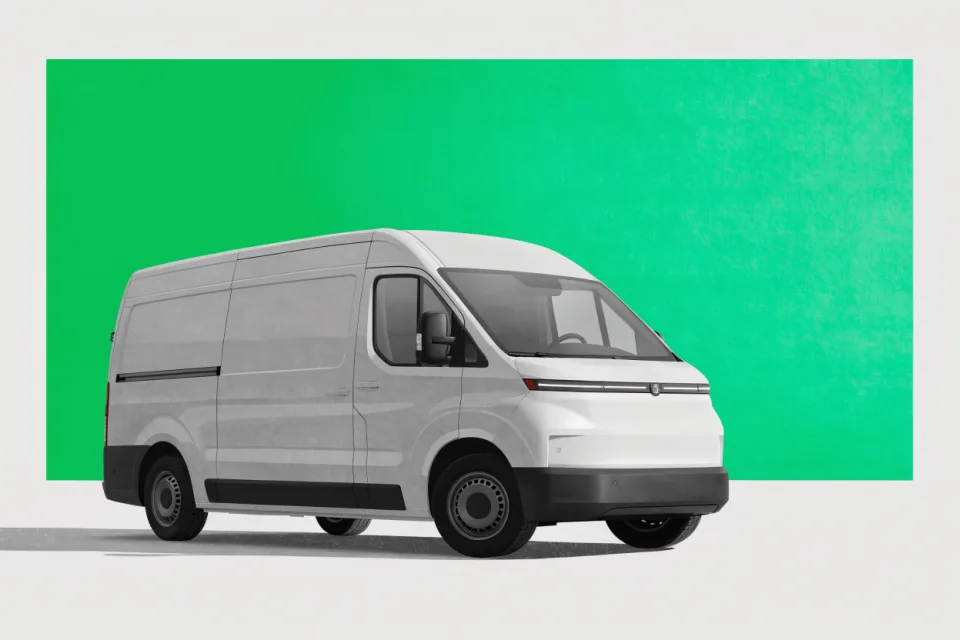
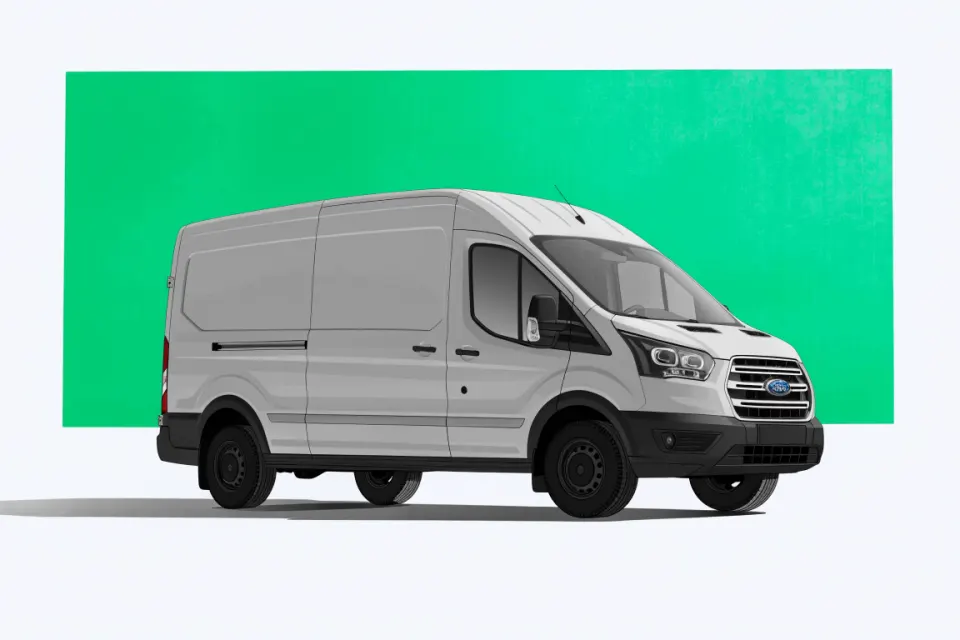
The Farizon SV is £5,545 cheaper to buy, carries 440 kg more and goes 30 miles further on a charge (official figures), while the Ford E-Transit has 2.1 m³ more load space.
The Farizon SV and the Ford Transit side by side, from the manufacturers' own figures: electric versions only, so the comparison is like for like, with unverified figures left out.
Where each is stronger
The Farizon SV is the cheaper way in: from £44,000 excluding VAT, against £49,545 for the Ford E-Transit.
The Farizon SV carries more: up to 1,350 kg of payload, against 910 kg for the Ford E-Transit.
The Ford E-Transit has the bigger load area: up to 15.1 m³, against 13 m³.
Electric range favours the Farizon SV: up to 214 miles (official), against 184 for the Ford E-Transit.
The longest load floor is in the Ford E-Transit: 4,256 mm, against 3,695 mm.
The Farizon SV tows more: up to 2,000 kg braked, against 750 kg.
Farizon SV vs Ford Transit: the figures
Best figure across each model's versions; the version pages show which version and the source for every number. Payload is ranked on vans without rear seats plated at up to 3.5 tonnes, where a model has them. The stronger figure is in bold.
| Specification | Farizon SV | Ford Transit |
|---|---|---|
| Versions we track | 5 | 7 |
| Fuel | electric | electric |
| Price from (excluding VAT) | £44,000 | £49,545 |
| Payload, up to | 1,350 kg | 910 kg |
| Payload, any version incl. heavier-plated or crew | 1,350 kg | 1,489 kg |
| Gross vehicle weight | 3,500 kg | 3,500 kg to 4,250 kg |
| Load volume, up to | 13 m³ | 15.1 m³ |
| Official electric range, up to | 214 miles | 184 miles |
| Usable battery, up to | - | 68 kWh |
| DC rapid charging, up to | 140 kW | 115 kW |
| Towing (braked), up to | 2,000 kg | 750 kg |
| Load length at floor, up to | 3,695 mm | 4,256 mm |
| Load height, up to | 1,910 mm | 2,055 mm |
| Overall length | 4,990 mm to 5,995 mm | 5,531 mm to 6,704 mm |