

Farizon SV L1H1 electric
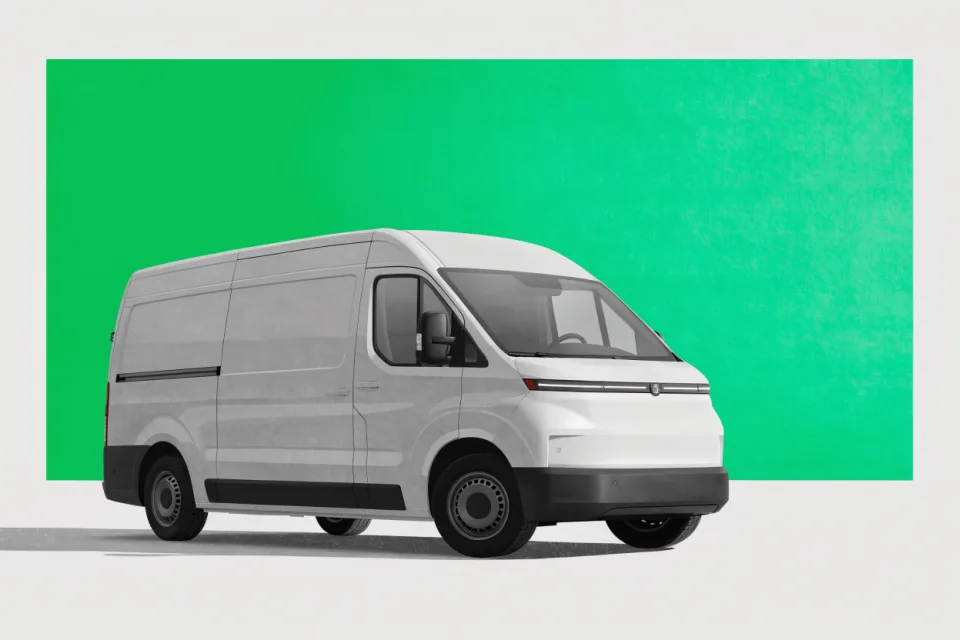
Farizon SV L1 H1
The Farizon SV L1 H1 has 188 miles of official range, a 1,350kg payload and 120kW rapid charging. List price £44,000 excluding VAT.
Electric · large van · L1 H1 · on sale
Dimensions
Price
Battery and range
Load
Charging
Ownership
| Warranty | 4-year/120,000-mile vehicle warranty; 8-year/120,000-mile battery warranty[2] |
|---|
Farizon SV L1H1 electric price changes
No list price change recorded for the Farizon SV L1H1 electric since THRIVE first recorded its price on 21 September 2026.
List prices excluding VAT, from the manufacturer's own UK price lists. A date marked "recorded" is the day THRIVE took in a new price list that carried no date of its own.
Compare the Farizon SV with
- Farizon SV vs Ford Transit: price, payload, load space and size side by side
- Nissan Interstar vs Farizon SV: price, payload, load space and size side by side
- Citroën Relay vs Farizon SV: price, payload, load space and size side by side
- Fiat Ducato vs Farizon SV: price, payload, load space and size side by side
THRIVE verdict
Strong payload and a below-median price, but load volume and range are compromises to weigh carefully.
The Farizon SV L1 H1 earns its keep on payload and price. At 1,350kg it carries more than the median large van (1,260kg), and its £44,000 list price sits below the class median of £47,000, with zero emission van grant eligibility sharpening that further. For operators who need to carry weight without paying over the odds for a large electric van, this is a solid starting point.
Where it gives ground is load volume: 6.95m³ puts it in the lowest quarter of large vans, well short of the 13m³ median, so bulky or high-volume loads won't fit as easily as the payload figure suggests. Braked towing of 2,000kg is also in the lowest quarter for the class, behind the 2,500kg median, so this isn't the van for regular trailer work.
As an electric large van, its 188-mile WLTP range sits below the 235-mile median, and its 120kW peak DC charging is also below the 130kW median, though a 36-minute 20-80% charge is still workable for depot-based or local routes. Against the Ford E-Transit DCiV Trend (£56,585, 1,489kg, 7.2m³, 184 miles), the Farizon is notably cheaper with similar range and volume. The Nissan Interstar diesel (£34,990, 1,366kg, 10.8m³, 2,500kg towing) undercuts it on price and offers more space and towing, making it the better fit where range anxiety or charging infrastructure are concerns.
Best for
- Fleets needing above-average payload at a lower list price
- Depot-based or short-radius urban delivery with predictable charging
- Budget-conscious buyers comparing against pricier electric large vans like the Ford E-Transit
Think twice
- Load volume is in the lowest quarter for the class, at 6.95m³
- Towing capacity of 2,000kg is below most large vans
- Range of 188 miles trails the median for electric large vans
Written 27 October 2026 from the verified figures on this page and the rest of the THRIVE database, and checked figure by figure before publishing. How we check
Other Farizon SV versions
| Version | Fuel | Payload | Range / economy | Price ex VAT |
|---|---|---|---|---|
| Farizon SV L2H2 electric | Electric | 1,245 kg | 188 miles | £47,000 |
| Farizon SV L1H2 electric | Electric | 1,230 kg | 234 miles | £48,000 |
| Farizon SV L2H3 electric | Electric | - | 234 miles | £51,000 |
| Farizon SV L3H3 electric | Electric | 1,045 kg | 234 miles | £52,000 |
Every length, roof and fuel side by side, with a configurator, on the Farizon SV page.
Electric or diesel?
How the Farizon SV L1 H1 compares with Nissan Interstar Panel Van L2 H2 35 2.0 dCi 130 Manual Acenta MY27, the closest alternative across the electric line, for a typical working day.
Electric could work: check the points below
- Range. 100 miles a day sits comfortably inside a planning range of about 132 miles, so an overnight charge covers the day.
- Payload. Payload is about the same: 1,350kg electric, 1,366kg diesel.
- Towing. Braked towing: 2,000kg electric, 2,500kg diesel.
- Energy. Charging at a small-business depot costs about 10p a mile against 20p for diesel: roughly £2,500 a year less at 25,000 miles.
- Price. The electric version lists for £4,010 more after the £5,000 zero emission van and truck grant, which the energy saving covers in about 1.6 years.
When the diesel is the more practical choice
- Towing more than 2,000kg.
How this is worked out
- Planning range is 70% of the official 188-mile WLTP figure, allowing for winter weather and a full load.
- Energy use 0.35 kWh a mile: THRIVE's typical figure for an electric van (this van's usable battery is not verified).
- Diesel 165.48p a litre excluding VAT (DESNZ, week of 2 November 2026); the Nissan Interstar Panel Van L2 H2 35 2.0 dCi 130 Manual Acenta MY27's official 37.7mpg.
- Electricity: 28.59p/kWh at a small-business depot (DESNZ, excluding VAT), 26.32p at home as the driver pays (Ofgem price cap), 65.83p on public rapid chargers (Zapmap, excluding VAT).
- 250 working days a year. List prices exclude VAT and options; running costs exclude servicing, insurance, tax and residual values.
Indicative only: a guide to whether electric is worth a closer look, not a quote. For whole-fleet costs see fleet charging costs and van break-even.
Alternatives worth considering
- Direct competitorFord E-Transit DCiV Trend 425L LWB / L3 H2 Standard Range 68kWh 135kW/184PS RWD£12,585 more, 139kg more payload.
- Combustion alternativeNissan Interstar Panel Van L2 H2 35 2.0 dCi 130 Manual Acenta MY27Diesel, 37.7mpg official, £9,010 cheaper, 3.9m³ more load space.
Chosen from published large vans in the THRIVE database with a similar load area; reasons compare verified figures only.
Head to head: Farizon SV vs Ford Transit · Farizon SV vs Nissan Interstar · Farizon SV vs Citroën Relay · Farizon SV vs Fiat Ducato · Farizon SV vs Peugeot Boxer
The Tuesday briefing
The week's fleet numbers and news, every Tuesday morning. Free.
One email a week. Unsubscribe in a click.
Sources
3 documents: Farizon UK, Farizon UK (Jameel Motors UK), GOV.UK (Zero emission vehicles eligible for a grant: Vans)
- Farizon UK, retrieved 5 October 2026. Supports: overall length, overall height, official range, test cycle, gross vehicle weight, payload, load volume, towing capacity (braked), ac charging (max), dc rapid charging (peak), rapid charge time. Farizon SV brochure (electric-only model; the brochure linked as 'Download brochure' for the SV on farizonauto.co.uk/our-range/sv-range, file dated Nov 2025 by its metadata, no printed date), page 9 'L1 H1 DIMENSIONS & WEIGHTS', DIMENSIONS table (one value spans the battery columns); agrees with the 'L4990 x H1980 mm' version card on the SV range page
- Farizon UK (Jameel Motors UK), retrieved 21 September 2026. Supports: list price (excluding vat), warranty.
- GOV.UK (Zero emission vehicles eligible for a grant: Vans), retrieved 21 September 2026. Supports: zero emission van grant. Farizon SV is named on gov.uk's current eligible-models list for the van grant.
About these figures
- Specifications verified: 16 October 2026, against the manufacturer documents listed under Sources.
- Latest source added: 16 October 2026, the last time a figure on this page was added or corrected.
- Verdict written: 27 October 2026. It uses only the verified figures here and the THRIVE database; every number in it is checked against those figures, and it is rewritten only when they change.
Specifications vary by trim, engine, battery, length and roof height; these are for the Farizon SV L1 H1 as named, a typical fleet specification. Range is the official WLTP combined figure; real-world range in winter or fully loaded will be lower. Check the manufacturer's current price list before ordering. If a figure here has changed, tell us on our corrections page.