

Logistics UK report says operators need faster grid connections and viable electricity prices to electrify
The Energy and Infrastructure Insight Report 2026 is built on 14 interviews with logistics and energy stakeholders. It sets out the grid capacity, charging and electricity-cost problems facing operators investing in electric vehicles. Logistics UK is using it to press government as COP31 puts electrification at the centre of climate talks.
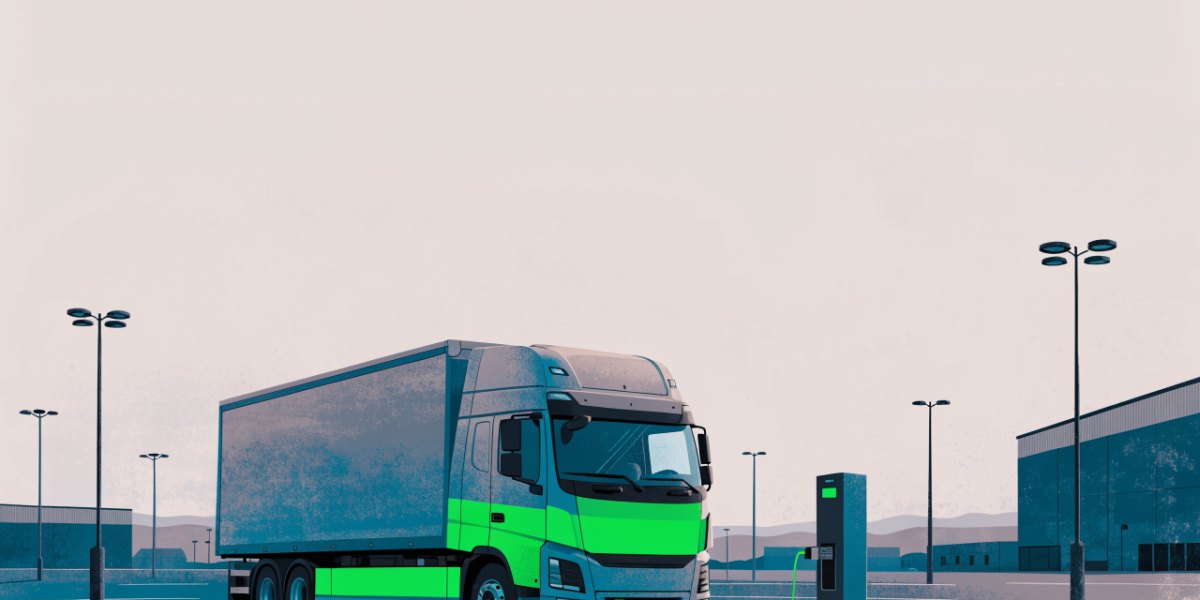
Logistics UK has published its Energy and Infrastructure Insight Report 2026, which focuses on the energy and infrastructure the logistics sector needs to move to a low-carbon future. The report draws on 14 in-depth interviews with stakeholders from the energy and logistics sectors. It examines the wider energy ecosystem, grid connections, technology and innovation, and charging infrastructure. According to Transport+Energy's account of the launch, it also covers grid decarbonisation, hydrogen and low-carbon fuels.
According to Transport+Energy, the report highlights how the sector increasingly sees decarbonising logistics as an energy, infrastructure and affordability challenge, not simply a question of vehicle technology. The businesses interviewed cite an urgent need for faster grid connections, sufficient grid capacity, strategically located charging infrastructure and electricity prices that make electrification commercially viable for operators. Respondents also stressed that transport and energy policy need to be aligned so businesses can make commercially viable investments in lower-carbon operations.
Logistics UK chief executive Ben Fletcher said: "Businesses are already investing significantly in electric vehicles and charging infrastructure but they are being asked to commit to major, long-term investments without certainty over when a grid connection will be available, what it will cost or whether electricity prices will support a viable business case."
He called on government to act on power costs and infrastructure: "As demand for electricity increases, government must address the cost of industrial electricity in the UK, which is the highest in the G7, while ensuring the infrastructure needed to deliver power is planned and deployed at the pace required."
The report comes as electrification takes a central role at COP31 in Antalya, Türkiye, where the conference's Global Electrification Initiative aims to raise electricity's share of global final energy consumption to 35% by 2035. Fletcher said electrification is rightly at the heart of COP31 discussions, but that action from the ground up is needed to make it operationally viable for UK businesses. "Decarbonising logistics is fundamental to the decarbonisation of all sectors, but we need significant action to remove the barriers that are making investment decisions commercially impossible," he said.
The report was sponsored by VEV. The full report is available to Logistics UK Executive Members, and a summary can be downloaded.
How THRIVE sources and checks its stories · Corrections, and how to report an error

Paua opens 13 Stagecoach Chargd bus depot charging sites to business fleets
Fastned UK wins rapid charging network and accessibility awards at Transport + Energy Awards 2026
i-media signs exclusive advertising partnership with GRIDSERVE
The Tuesday briefing
The week's fleet numbers and news, every Tuesday morning. Free.
One email a week. Unsubscribe in a click.
Named in this story? You have a right of reply: email hello@thrivefleet.co.uk and a challenged claim will be marked under review while we check it.
Got a story, or a question about this one? Contact the newsroom. We read everything that comes in. With the volume of fleet news, not everything can run, but a story with a number, a date or a decision in it stands a good chance.