
UK public EV charger network grows 9% to 124,738 devices, Zapmap data shows
Ultra-rapid chargers are expanding fastest, up 39.1% year-on-year, as Zapmap's latest quarterly figures also show rapid chargers flatlining, en-route charging growing to serve longer journeys, and charging hubs continuing to roll out.
Zapmap's quarterly charging infrastructure data, reported by Fleet News, shows 8,686 new public EV chargers were installed across the UK in the first nine months of 2026, taking the total to 124,738 devices at 48,298 locations – a 9% year-on-year increase.
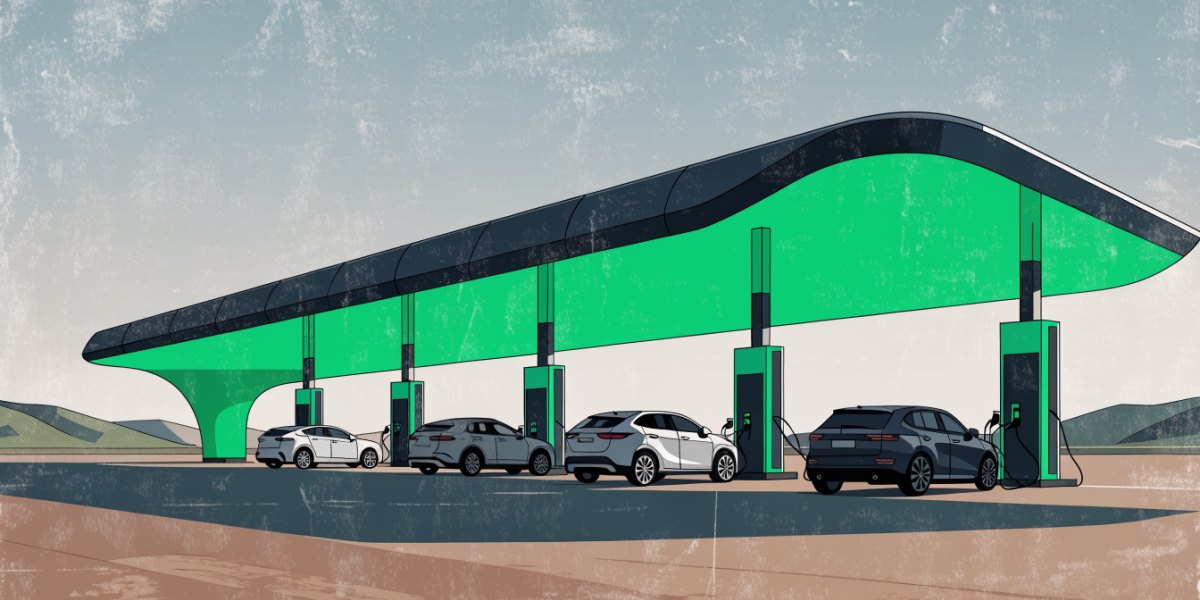
Ultra-rapid chargers, delivering 150kW or more, recorded the highest growth of any power band at 39.1% year-on-year, with the total now standing at 15,335 units. By contrast, Zapmap said rapid chargers in the 50-149kW band saw no overall growth year-on-year in September, as devices are upgraded to higher power ratings.
By location type, en-route charging – aimed at drivers recharging quickly on longer journeys – posted the strongest growth at 23.1% year-on-year, reaching 14,053 chargers. Charging hubs of eight or more rapid or ultra-rapid chargers now number 1,070 across the country, with 144 added to Zapmap's database so far in 2026. Destination charging grew 4.26% year-on-year to 64,289 chargers, while on-street charging, used by drivers without off-street parking, rose 13.4% to 41,374 chargers.
Melanie Shufflebotham, co-founder and chief operating officer of Zapmap, said charging hubs are the most popular location type among its EV driver community, welcomed government attention on grid resilience and connections through the newly created Great British Grid, and called for action to be taken in parallel to address charging costs.
Zapmap's own pricing data suggests the cost gap between running an EV and a petrol or diesel car is now at its widest since it began tracking the figures. The firm said a typical EV driver doing 20% of their charging on the public network could save £1,130 in fuel costs, and that even drivers wholly reliant on public charging are often now better off than petrol or diesel drivers – a reversal Zapmap described as a first.
Shane Brennan, chief executive of Charge UK, said record EV uptake alongside strong growth in high-powered chargers and hubs showed the charging industry was installing the infrastructure needed. However, he warned that comparative slowness in parts of the rollout, combined with the cost disparity between home and public charging, risked widening a "driveway divide" between drivers who can charge at home and those who cannot, and urged government to hold firm on EV sales quotas.
Recent local authority contracts backed by the LEVI fund include Chargy's appointment to deliver 3,000 chargers across West Northants, Zest's rollout of more than 1,000 chargers across the North Hertfordshire, St Albans and Welwyn Hatfield district councils, Connected Kerb's work with Bedford Borough Council on 900-plus chargers, and Believ's selection by Devon County Council and Torbay Council to manage the installation of 1,300 chargers across the region.
Sources
Fleet NewsNamed in this story? You have a right of reply: email hello@thrivefleet.co.uk and a challenged claim will be marked under review while we check it.