

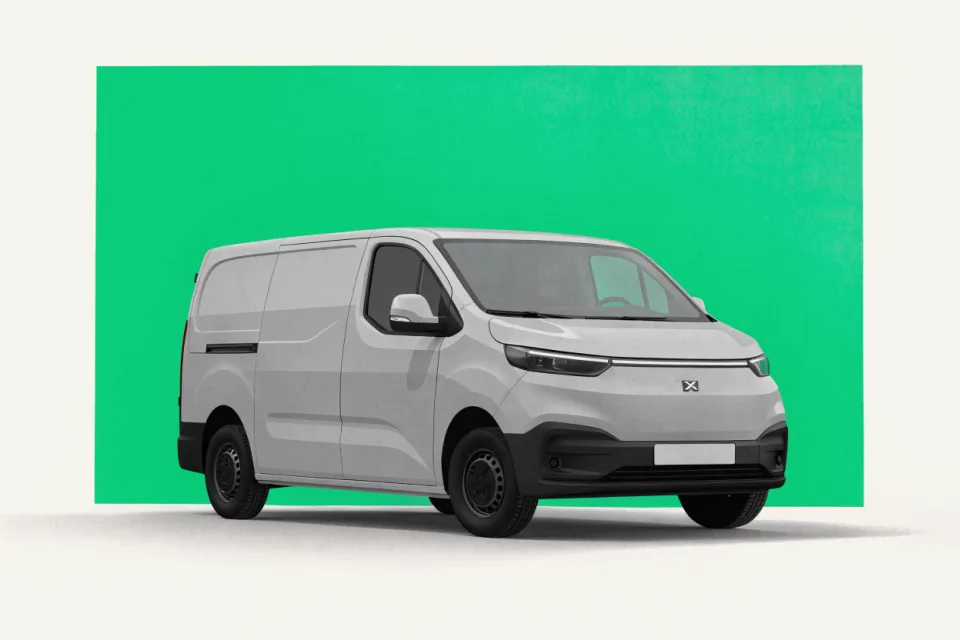
Maxus eDELIVER 5 L1H1
Maxus eDELIVER 5 L1 H1 Van 64kWh
The Maxus eDELIVER 5 L1 H1 Van 64kWh has 208 miles of official range, a 1,200kg payload and 70kW rapid charging.
Electric · medium van · L1 H1 · on sale
Dimensions
Price
| List price (excluding VAT) | Not yet verified |
|---|---|
| Zero emission van grant | Eligible[2] |
Battery and range
Load
Charging
Ownership
| Warranty | 5-year factory warranty on MAXUS vehicles; 8-year warranty on the HV battery[3] |
|---|
THRIVE verdict
Strong payload and cargo space for a medium electric van, let down by slow rapid charging and modest towing.
This is a medium panel van built around carrying capacity. Payload of 1,200kg sits above the class median, and at 6.6m³ its load volume is in the highest quarter of medium vans we track. For operators shifting bulky or heavy loads daily, that combination is the headline reason to shortlist it.
Range of 208 miles (WLTP) is above the median for electric medium vans, so it should suit multi-drop or regional routes without excessive range anxiety. The weak point is charging: peak DC rate of 70kW is in the lowest quarter of the class, so topping up on longer days will take noticeably longer than rivals with faster peak rates, even though the quoted 20-80% time is 36 minutes.
Against named rivals, the Farizon V7E offers similar payload (1,208kg) and range (204 miles) with more volume (6.95m³), while the Ford Transit City Van carries less (1,085kg payload, 6.43m³). The Volkswagen Transporter eHybrid tows far more (2,300kg) than the eDELIVER 5's 1,500kg, which is below the medium van median, worth checking if trailer work is part of the job.
Best for
- Heavy, bulky payloads needing above-median capacity
- Regional multi-drop routes within a 208-mile range
- Depot-based operations with overnight charging rather than rapid top-ups
Think twice
- Slow peak DC charging versus rivals
- Below-median braked towing capacity
Written 8 October 2026 from the verified figures on this page and the rest of the THRIVE database, and checked figure by figure before publishing. How we check
Other Maxus eDeliver 5 versions
| Version | Fuel | Payload | Range / economy | Price ex VAT |
|---|---|---|---|---|
| Maxus eDELIVER 5 L2H1 | Electric | 1,265 kg | 199 miles | - |
| Maxus eDELIVER 5 L1H2 | Electric | 1,200 kg | 190 miles | - |
| Maxus eDELIVER 5 L2H2 | Electric | 1,265 kg | 187 miles | - |
Every length, roof and fuel side by side, with a configurator, on the Maxus eDeliver 5 page.
What fits in the load area
| Euro pallets (1,200 x 800mm) | 3, in a single row |
|---|---|
| UK standard pallets (1,200 x 1,000mm) | 2, in a single row |
| 8 x 4 sheets (2,440 x 1,220mm) | Lie flat on the floor, between the wheel arches |
| Pipe, timber or ladders | Up to 2.6m on the floor |
Worked out from the verified floor length 2,654mm, 1,250mm between the wheel arches, 1,455mm high. At the full Euro pallet count, the payload allows about 400kg per pallet. Counts use the width between the wheel arches for the whole floor, so they never over-count. Door openings are not in our data: check the rear and side door apertures before relying on a count. Goods stacked on a pallet can stand up to about 1,305mm tall, allowing 150mm for the pallet itself.
Alternatives worth considering
- Direct competitorToyota Proace Electric Icon Long Electric 75 kWh 136 DIN hp Auto62kg less payload.
- Direct competitorFarizon V7E L1 H1 67 kWh0.4m³ more load space.
- Combustion alternativeVolkswagen Transporter T32 Panel Van Commerce Plus LWB 232PS 2.5 eHybrid CVT AutomaticPlug-in hybrid, 62.8mpg official.
- Direct competitorFord Transit City Van Trend 300S SWB H1 56kWh 110kW / 150PS 1-speed automatic FWD115kg less payload, 50.19999999999999 miles less official range.
Chosen from published medium vans in the THRIVE database with a similar load area; reasons compare verified figures only.
The Tuesday briefing
The week's fleet numbers and news, every Tuesday morning. Free.
One email a week. Unsubscribe in a click.
Sources
3 documents: MAXUS UK (SAIC Motor UK), GOV.UK (Zero Emission Vehicle Grants), Maxus UK
- MAXUS UK (SAIC Motor UK), retrieved 16 October 2026. Supports: load length (at floor), load width (maximum), load width between wheel arches, load height (maximum), overall length, overall height, official range, energy use, test cycle, gross vehicle weight, payload, load volume, towing capacity (braked), ac charging (max), dc rapid charging (peak), rapid charge time. Maxus UK per-version spec sheet, linked as 'Spec sheet' from the saicmaxus.co.uk model page Versions carousel (undated; re-read 16 Oct 2026). Missing on the van, documented.
- GOV.UK (Zero Emission Vehicle Grants), retrieved 21 September 2026. Supports: zero emission van grant. Listed under 'Large vans' eligible list (2,500-4,250kg GVW band)
- Maxus UK, retrieved 21 September 2026. Supports: warranty.
About these figures
- Specifications verified: 16 October 2026, against the manufacturer documents listed under Sources.
- Latest source added: 16 October 2026, the last time a figure on this page was added or corrected.
- Verdict written: 8 October 2026. It uses only the verified figures here and the THRIVE database; every number in it is checked against those figures, and it is rewritten only when they change.
Specifications vary by trim, engine, battery, length and roof height; these are for the Maxus eDELIVER 5 L1 H1 Van 64kWh as named, a typical fleet specification. Range is the official WLTP combined figure; real-world range in winter or fully loaded will be lower. Check the manufacturer's current price list before ordering. If a figure here has changed, tell us on our corrections page.