BMW, Toyota, Bosch pilot renewable petrol in Spain from July
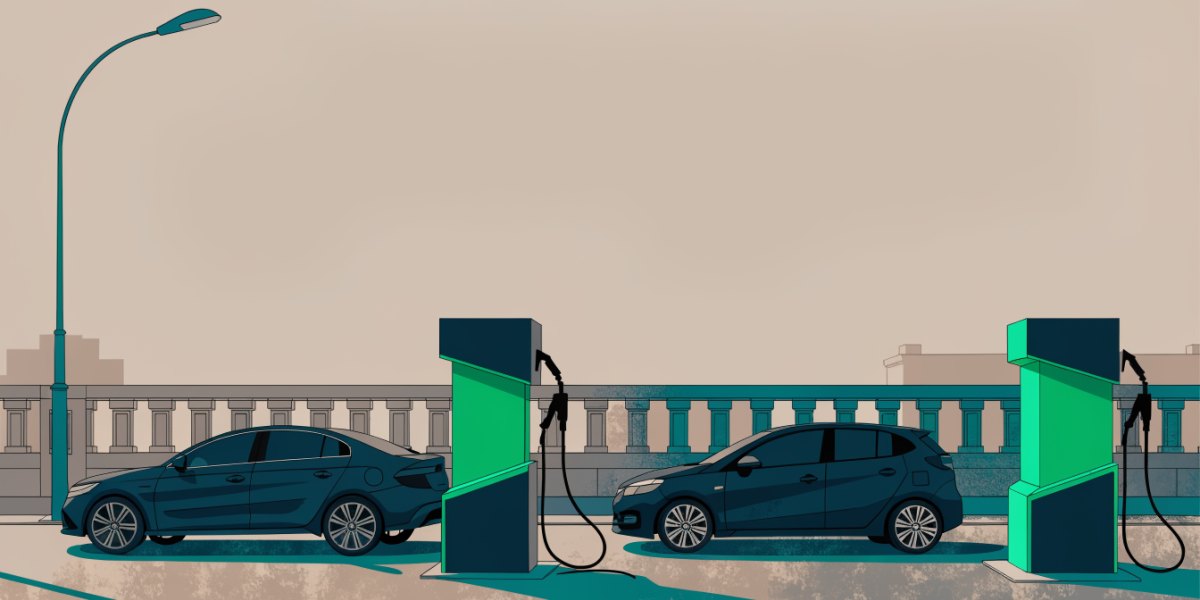
BMW, Toyota, Bosch and Repsol have started a six-month pilot in Spain, from July 2026, running roughly 20 Toyota, Lexus and BMW vehicles exclusively on Repsol's Nexa 95, a fuel the company markets as "100% renewable gasoline" (Repsol's own term) made from RED-compliant feedstocks. For UK fleets sweating existing petrol assets ahead of the 2030/2035 ICE phase-out dates, that matters because a drop-in renewable petrol needs no new vehicles, no new pumps and no retraining - Repsol and its partners are pitching it as a clean decarbonisation route for the parc that's already on the road, though that claim still has to survive contact with supply, pricing and scale. (BMW Group)
The cars in question are unmodified production Toyota and Lexus models supplied by Toyota España, alongside BMW Group fleet vehicles, all running on existing engines and existing filling-station infrastructure. Bosch's contribution is the measurement layer: a "Digital Fuel Twin" that cross-checks vehicle telemetry against station records and fuel card transactions to verify what actually went in the tank, which is the detail that turns a marketing claim into an auditable one. Dr Marko Babic, who heads the Digital Fuel Twin product area at Bosch, is overseeing that side; Dr Stefan Heller leads BMW's VEEF development programme, and Estíbaliz Pombo is Repsol's deputy director of energy products. (BMW Group; Toyota Motor Europe)
The catch, and it is a significant one, is supply. Repsol is currently the only provider selling 100% renewable petrol at public forecourts in Spain, and there is no indication yet of volumes, pricing or any route to UK pumps. This is a manufacturer-and-refiner proof point, not a launch.
It sidesteps the residual-value uncertainty that still dogs EVs and the infrastructure gaps that undermine hydrogen, and it offers a plausible bridge for high-mileage petrol fleets that can't yet justify a full electric switch - assuming the economics and supply chain ever stack up. But "if" is doing a lot of work: one refiner, one country, twenty cars, six months. That is a pilot, not a policy.
The Bosch verification layer is arguably the more transferable piece here. A trusted, auditable way to confirm what fuel actually went into a vehicle - reconciled against telemetry and card data - is exactly the kind of infrastructure that would need to exist before any renewable-fuel claim could be used for BIK, carbon reporting or Scope 1 disclosure purposes. Get that verification standard wrong, or leave it proprietary to one refiner, and renewable fuel accounting becomes as contested as biofuel blending claims have been for years.
Nothing here changes an AFR, a BIK band or a CAZ exemption today. But fleet decision-makers with significant petrol exposure, particularly those without a credible EV transition plan yet, should treat this pilot as a marker to watch rather than a headline to shrug off. Worth asking your fuel and vehicle suppliers whether renewable petrol is on their roadmap for UK volumes, and on what timeline.
Primary sources
Bmwgroup - https://www.press.bmwgroup.com/global/article/detail/T0459095EN/bmw-toyota-bosch-and-repsol-launch-real-world-pilot-of-vehicles-running-on-100-renewable-gasolineToyota - https://newsroom.toyota.eu/toyota-bmw-bosch-and-repsol-launch-a-real-world-pilot-of-vehicles-running-on-100-renewable-gasoline/Named in this story? You have a right of reply: email hello@thrivefleet.co.uk and a challenged claim will be marked under review while we check it.