

The six key insurance risks facing fleet operators in today's changing transport landscape
Everywhen says fleet operators face a different set of insurance risks from a decade ago, naming repair costs, downtime, driver shortages, cargo theft, reliance on technology and extreme weather. Its commercial vehicle insurance technical manager, Chris North, argues cover should be reviewed regularly so that it keeps pace with changes to the fleet, its routes and its business model. The press release is published below as supplied.
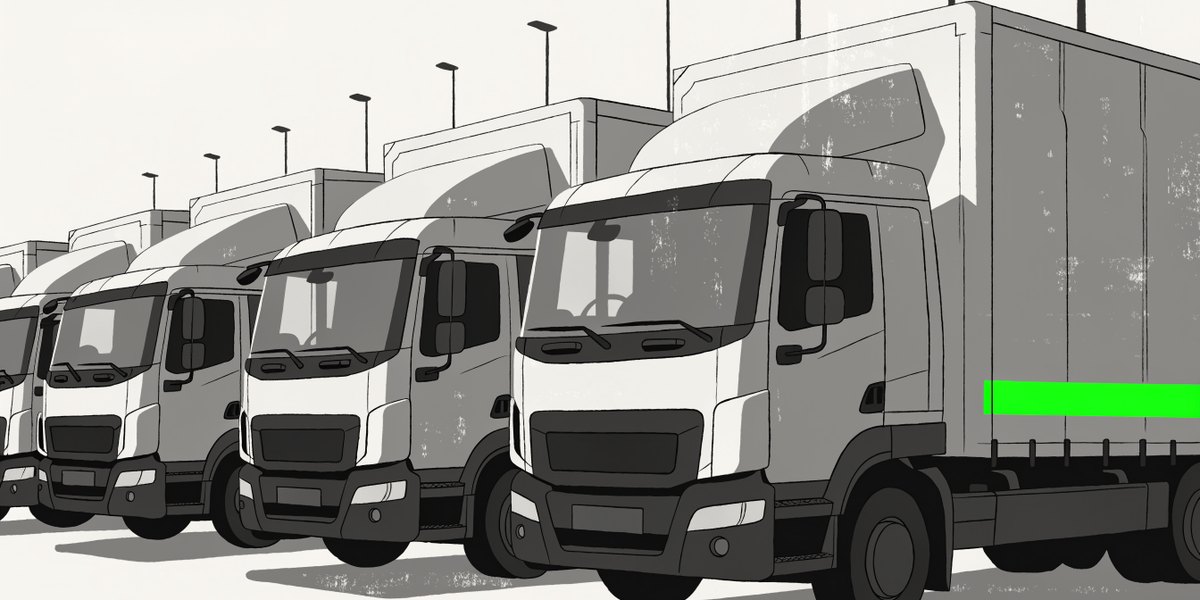
The challenges facing fleet operators today are very different to those they faced a decade ago, according to insurance experts, Everywhen. There are now a great many more vehicles on the roads creating even more congestion,¹ and criminals are using more and more creative techniques to steal the cargo they carry.
Chris North, Everywhen’s Commercial Vehicle Insurance Technical Manager said: “Fleet operators are having to face up to the demands created by increased traffic and more active criminals but also the introduction of new technology, which brings efficiency but also creates major logistical challenges.
“For fleet managers, understanding these challenges and how they impact their businesses can help build resilience in the long run.”
There are six key insurance risks which Everywhen believes require special attention from fleet managers.
1. Rising repair costs
Vehicles today use a lot of technology, including cameras, sensors, GPS and more. While this makes driving much easier, it can also make repairs more expensive.² In the past, a minor collision may have simply needed bodywork done to repair the damage. Now, it could involve specialist repairs including replacing cameras or recalibrating sensors.³
2. The cost of downtime
For fleet operators, the cost of the repair is often just the beginning. If a vehicle is off the road, it could result in missed deliveries and commitments, lost revenue, replacement vehicle hire costs, and more pressure on the rest of the fleet to help pick up the slack. It could also affect the fleet’s reputation, if customers start to feel it is unreliable.
3. Driver shortages
The latest survey from the Department for Transport shows that 26% of HGV businesses had driver vacancies at the end of 2025.⁴ The most common reasons given for the vacancies were that existing drivers were leaving the industry for better pay and benefits elsewhere, and more older drivers are reaching retirement age.
For fleet managers, creating long-term career opportunities may play a more important role in attracting and retaining drivers. As will investing in training and supporting driver wellbeing.
4. The rise of cargo theft and organised crime
Cargo theft costs the UK economy £700m per year⁵ and shows no signs of slowing down.⁶ Losing the payload is only part of the problem as often the vehicles get damaged and good reputations are spoiled when customers are unsatisfied with the failed delivery and the disruption it may bring.⁷
Cargo theft is evolving. Criminals aren’t just targeting parked vehicles anymore. The Transported Asset Protection Association (TAPA) highlights that criminals are using more sophisticated methods including identity fraud and fake carrier credentials to make their attempted thefts appear legitimate.⁸
5. Technology brings opportunity and risk
The transport industry has embraced technology over the past decade. Today, operators can see exactly where vehicles are and even monitor their drivers’ behaviour in real time.
These advancements in technology can provide operators with better visibility and efficiency than before. However, it also makes the fleet more reliant on technology itself. If equipment fails or is involved in a cyberattack, businesses can face a lot of disruption, especially if all the vehicles in the fleet are connected. Fleet operators should have firm contingency plans in place that can help them bounce back.
6. Climate change and unpredictable road conditions
Extreme weather is becoming something fleet operators need to be mindful of. Heavy rain, flooding, high winds, storms and soaring temperatures can all impact road conditions, journey times and the safety of the drivers and vehicles. Even routes that haven’t previously posed a problem can become dangerous and cause disruption.
Building a degree of flexibility into route planning can help operators respond better when there’s weather-related disruption.
Why regular insurance reviews matter
Chris North concludes: “The transport sector is always evolving, and the insurance arrangements should evolve with it. Over time, fleets get bigger, vehicles get more expensive, new technology is brought to the market, routes change, and business models vary. This can mean that the insurance cover that once worked, doesn’t reflect the risks that the same business faces today.
“Regular insurance reviews help make sure that the cover is appropriate for the fleet and reduces the chances of gaps developing in the protection.”
For further information go to: www.everywhen.co.uk/commercial-vehicle-insurance/fleet-insurance
Sources
- What 30 years of DVLA data reveals about the changing face of UK roads | Insurance Times
- Why Do Modern Cars Cost More To Repair? | Elite Garages
- Are modern cars too complicated? The hidden cost of car tech overload in 2026 | Regit
- Heavy goods vehicle driver vacancies in the United Kingdom: 2025 - GOV.UK
- 35,000 pints of stolen Guinness, 950 wheels of pilfered cheese: can the UK’s cargo theft crisis be stopped? | Crime | The Guardian
- Cargo theft is on the rise and so are insurance premiums | NTV
- UK freight crime reports hit nine a day in 2025 | trans.info
- Two lorries drive off with £205,000 Guinness haul. How to control who can drive off with a trailer?
Sources
EverywhenHow THRIVE sources and checks its stories · Corrections, and how to report an error

Volkswagen recalls ID. Buzz, ID.3, ID.4, ID.5, ID.7 and Cupra Born over battery fire risk

UK used car sales rise 0.5% in Q3 2026 as used electric car transactions climb 23.2%

Sixt opens car rental branch at Business Design Centre in Islington
The Tuesday briefing
The week's fleet numbers and news, every Tuesday morning. Free.
One email a week. Unsubscribe in a click.
Named in this story? You have a right of reply: email hello@thrivefleet.co.uk and a challenged claim will be marked under review while we check it.
Got a story, or a question about this one? Contact the newsroom. We read everything that comes in. With the volume of fleet news, not everything can run, but a story with a number, a date or a decision in it stands a good chance.