

Ford E-Transit Custom vs Farizon SV electric
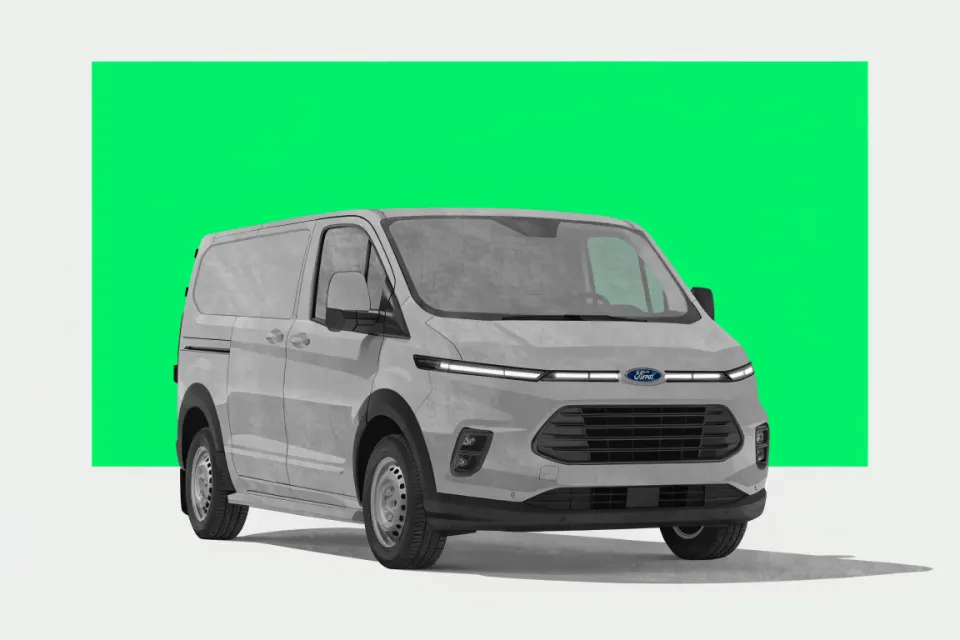
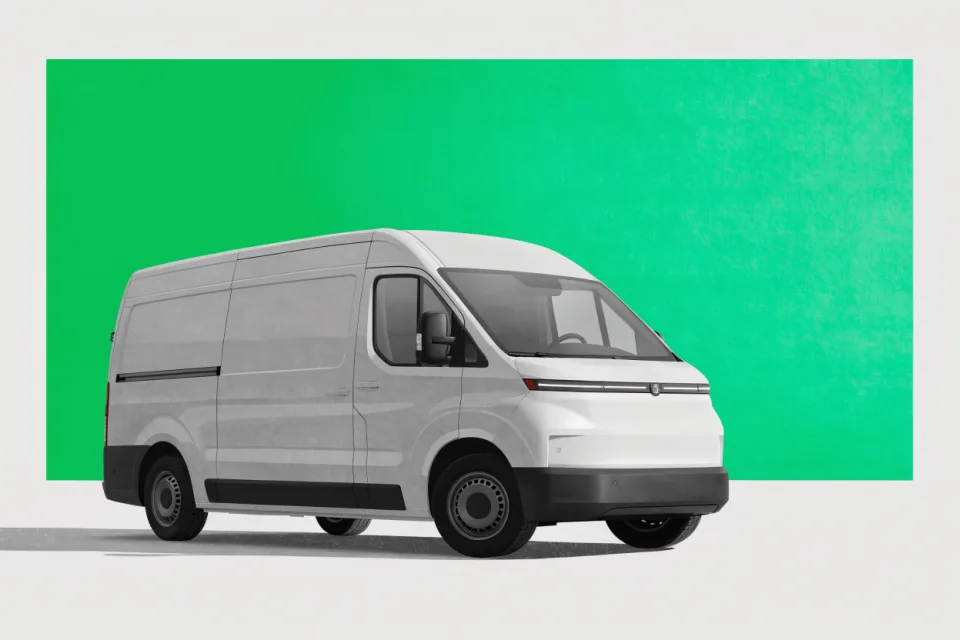
The Ford E-Transit Custom is £840 cheaper to buy and goes 23 miles further on a charge (official figures), while the Farizon SV electric carries 218 kg more and has 6.2 m³ more load space.
The Ford E-Transit Custom and the Farizon SV electric side by side, from the manufacturers' own figures: electric versions only, so the comparison is like for like, with unverified figures left out.
Where each is stronger
The Ford E-Transit Custom is the cheaper way in: from £43,160 excluding VAT, against £44,000 for the Farizon SV electric.
The Farizon SV electric carries more: up to 1,350 kg of payload, against 1,132 kg for the Ford E-Transit Custom.
The Farizon SV electric has the bigger load area: up to 13 m³, against 6.8 m³.
Electric range favours the Ford E-Transit Custom: up to 237 miles (official), against 214 for the Farizon SV electric.
The longest load floor is in the Farizon SV electric: 3,695 mm, against 3,002 mm.
The Ford E-Transit Custom tows more: up to 2,300 kg braked, against 2,000 kg.
Ford E-Transit Custom vs Farizon SV electric: the figures
Best figure across each model's versions; the version pages show which version and the source for every number. Payload is ranked on vans without rear seats plated at up to 3.5 tonnes, where a model has them. The stronger figure is in bold.
| Specification | Ford E-Transit Custom | Farizon SV electric |
|---|---|---|
| Versions we track | 4 | 5 |
| Fuel | electric | electric |
| Price from (excluding VAT) | £43,160 | £44,000 |
| Payload, up to | 1,132 kg | 1,350 kg |
| Gross vehicle weight | 3,225 kg to 3,350 kg | 3,500 kg |
| Load volume, up to | 6.8 m³ | 13 m³ |
| Official electric range, up to | 237 miles | 214 miles |
| Usable battery, up to | 71 kWh | - |
| DC rapid charging, up to | 125 kW | 140 kW |
| Towing (braked), up to | 2,300 kg | 2,000 kg |
| Load length at floor, up to | 3,002 mm | 3,695 mm |
| Load height, up to | - | 1,910 mm |
| Overall length | 5,050 mm to 5,450 mm | 4,990 mm to 5,995 mm |