
EU-built EVs face 10% UK tariff from 2027, ACEA warns
European carmakers say most EU-built electric vehicles will fail new EU–UK rules of origin from 2027, exposing exports worth billions to a 10% tariff.
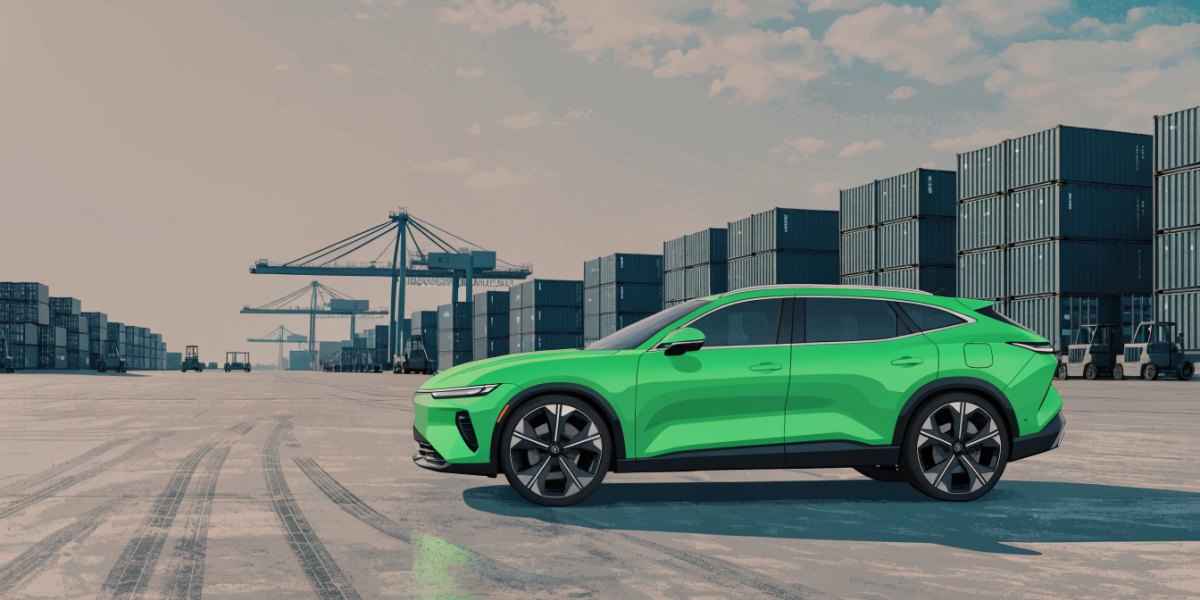
Electric vehicles built in the EU and exported to the UK face a 10% customs duty from 2027 unless rules of origin are changed, the European Automobile Manufacturers' Association (ACEA) said.
ACEA made the warning in a letter to European Council President António Costa, Commission President Ursula von der Leyen, Executive Vice-President Stéphane Séjourné and Commissioner Maroš Šefčovič. The letter said the EU expects to export 520,000 electric passenger cars and vans to the UK in 2027, worth an estimated €17.9 billion.
Of those, ACEA forecasts that 426,000 units, or 82%, will not meet the Trade and Cooperation Agreement's rules of origin once current flexibilities expire. Vehicles that fail to qualify would be subject to the 10% duty, which ACEA estimates would cost the industry €1.47 billion in 2027 alone.
Battery rules at the centre of the dispute
The dispute centres on how electric vehicle batteries are assessed for origin. ACEA has proposed that the EU and UK apply a flexible rule allowing battery pack assembly from non-originating cells to count towards origin until the end of 2029.
Under ACEA's proposal, batteries would need to be manufactured from cells made in the EU or UK from 2030, with a further requirement for originating cathode material added only from 2032. The association said the EU and UK had previously agreed, in 2023, to extend flexible rules until the end of 2026.
What ACEA is asking for
ACEA also proposed that the separate rule of origin covering electric vehicles themselves, aside from batteries, return to the standard used in other EU free trade agreements from 2027, a threshold it said its members have always been able to meet.
The association pointed to its own forecast compliance data, which it said shows an expected compliance rate for plug-in hybrids of only 2% under the tougher rules.
For fleets
For fleet operators, ACEA's own forecast that most EU-built electric vehicle exports would miss the origin rules in 2027 signals a cost that, if the rules are not changed, could land on UK buyers of European-built EVs through higher prices or reduced choice. That would add a fresh layer of uncertainty to a vehicle supply chain that already runs across UK and EU borders.
The figures are ACEA's own forecasts, produced to support its case for extending flexible rules, and do not confirm that the tariff will apply or that all EU-built electric vehicles would be affected. Only the share of exports found not to meet origin requirements, which ACEA puts at 82% of 2027 volumes, would face the 10% duty.
What we're watching: whether the EU and UK respond to ACEA's proposal before the current flexible rules of origin arrangement, agreed in 2023, expires at the end of 2026; whether any UK government or European Commission statement confirms or rejects ACEA's proposed transitional battery pack assembly rule running to the end of 2029; whether ACEA's forecast compliance figures are corroborated or revised by an independent body or by UK-side sources; whether individual manufacturers named in ACEA's letter disclose UK pricing or allocation changes tied to the rule change.
Named in this story? You have a right of reply: email hello@thrivefleet.co.uk and a challenged claim will be marked under review while we check it.