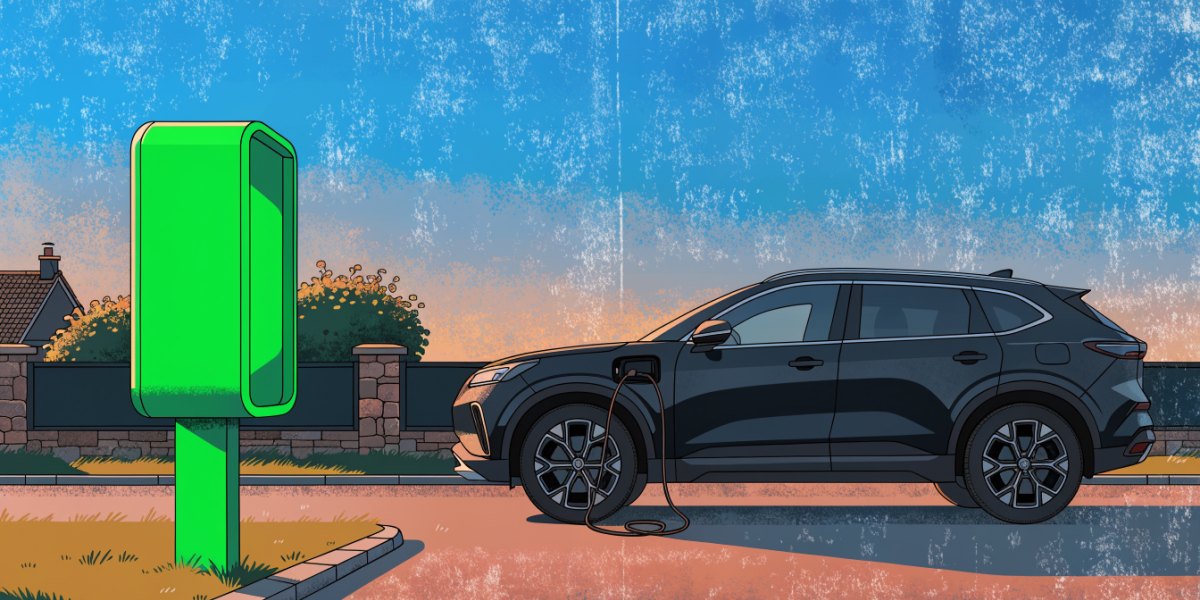

GRIDSERVE cuts public EV charging prices by 20% for one day to highlight VAT gap
The self-funded promotion on 1 October 2026 coincides with a new 0% VAT rate on domestic electricity, while public charging remains taxed at the standard 20% rate.
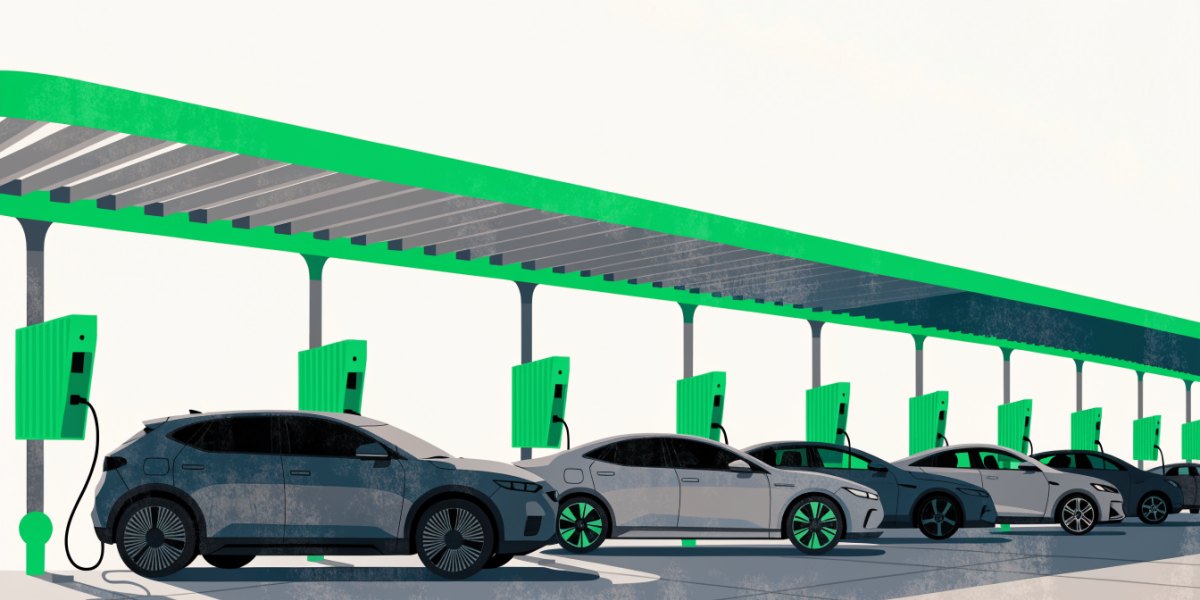
GRIDSERVE cut the price of its UK public EV charging network by 20% for one day only on 1 October 2026, giving drivers what it called a real-world demonstration of what lower taxation on public charging could mean for the cost of driving electric.
The timing was deliberate. A temporary 0% VAT rate on qualifying domestic electricity in Great Britain took effect on 1 October and runs until 31 March 2027, under measures introduced by the Government. Public EV charging, however, remains subject to the standard 20% rate of VAT under HMRC's current position.
GRIDSERVE was explicit that the discount was not a reflection of any actual change in VAT policy. The company said the promotion does not reflect any reduction in, or removal of, VAT on public EV charging, that VAT remains applicable at the prevailing rate, and that the 20% discount is a GRIDSERVE-funded promotional offer designed to demonstrate the potential impact of a VAT reduction on the cost of public charging for drivers.
Rebecca Trebble, Chief Customer Officer of GRIDSERVE, said: "GRIDSERVE has been clear that if the Government reduces the VAT burden on public EV charging, we believe the future benefit should be passed directly through to drivers. Our 1 October initiative demonstrates this principle in practice: when the cost of charging comes down, drivers will see those savings at the plug."
GRIDSERVE pointed to its own 2025 commissioned research, which found that 49% of non-EV drivers surveyed would switch to an EV sooner if public charging carried the same VAT rate as charging at home. Separately, independent analysis by Cornwall Insight found that standing charges for ultra-rapid EV charging hubs have increased by up to 462% since 2021, adding further pressure to the cost of public charging.
GRIDSERVE noted that the Government is currently reviewing the cost of public EV charging and is set to report its findings later in 2026, while the separate ZEV Mandate consultation on zero-emission vehicle targets closes on 23 October.
Fleets weighing the running costs of charging away from base can compare the scale of the public-versus-home charging cost gap that GRIDSERVE's campaign is aimed at highlighting.
Sources
GridserveNamed in this story? You have a right of reply: email hello@thrivefleet.co.uk and a challenged claim will be marked under review while we check it.