
None of UK's top 20 best-selling PHEVs can ultra-rapid charge, ChargeUK analysis finds
ChargeUK says three in four of the models cannot even rapid charge, helping explain why plug-in hybrids are plugged in far less than car sellers claim and official emissions figures assume.
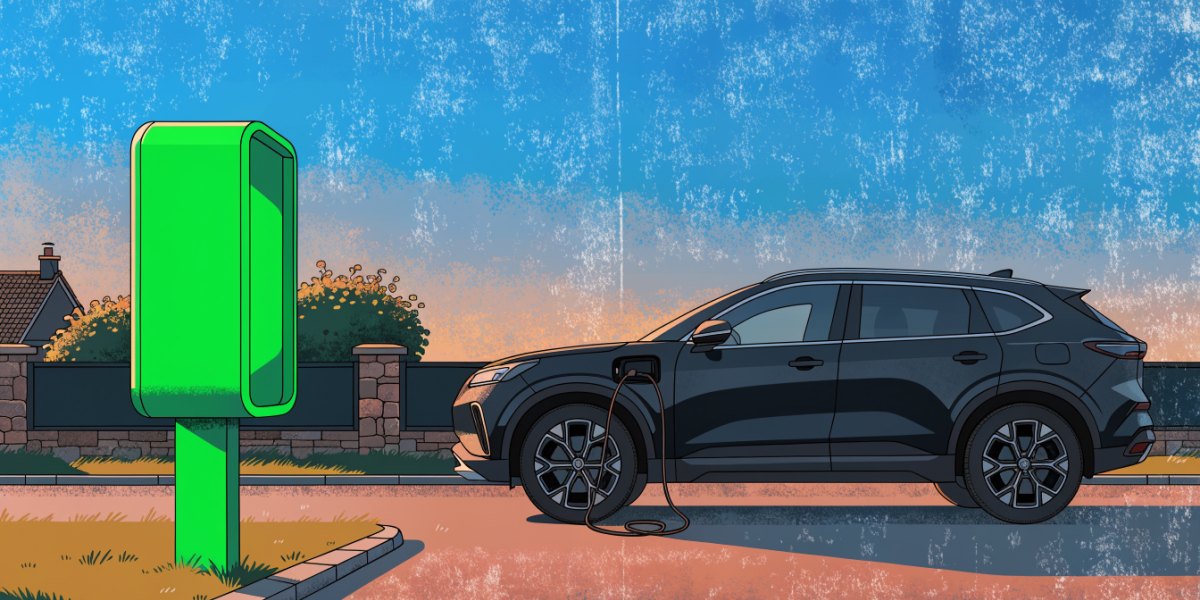
None of the UK's top 20 best-selling plug-in hybrid models sold in 2026 can ultra-rapid charge, and three in four cannot rapid charge either, according to analysis published by ChargeUK, the EV charging industry association, on 28 September 2026.
ChargeUK defines rapid charging as 50kW and above and ultra-rapid as 150kW and above. It found the average maximum charging speed of the top 20 PHEVs sold, weighted by sales volume, was 25.1kW in 2025 — equivalent to adding around 75 miles of electric range per hour. By comparison, the top 20 battery electric vehicles sold in 2025 had an average maximum charging speed of 168kW, adding around 500 miles of range per hour.
The average battery size across the top 20 PHEVs, based on 2026 year-to-date figures, is 22.1kWh, equivalent to around 77 miles of electric range, against 76.3kWh for the top 20 BEVs sold in 2025.
PHEV sales have been rising sharply. ChargeUK figures show 226,593 PHEVs were sold in the UK in 2025, up 34.7% on 2024 and described as the fastest growing car type, and New AutoMotive data cited by ChargeUK shows a further 179,786 sold between January and the end of August 2026, up 29.5% year-on-year. ChargeUK attributes much of the increase to changes the government made last year to the Zero Emission Vehicle Mandate, which it says allowed car sellers to sell more PHEVs to help meet targets under UK emissions criteria it describes as more lenient than European equivalent rules.
ChargeUK points to the government's recently published review of the ZEV Mandate, which it quotes as stating that PHEVs could theoretically deliver significant emissions savings because most journeys are short enough to complete on battery alone, while conceding that the system used to calculate those savings "significantly overestimates electric driving, as in real life many drivers charge infrequently."
Shane Brennan, chief executive of ChargeUK, said a PHEV that is never plugged in is "a costly petrol car pulling around a heavy battery", adding that drivers buy PHEVs on the promise of a "best of all worlds" compromise only to find they lack expected charging capabilities, and that those unable to charge on the public network quickly fall into patterns of being petrol reliant.
ChargeUK said its findings build on research from the International Council on Clean Transportation showing the gap between claimed and real-world PHEV emissions grew from 260% in 2021 to 400% in 2023.
Fleets weighing up charging infrastructure and running costs for electrified vehicles can find further data in THRIVE's EV charging for fleets coverage.
Sources
ChargeUKNamed in this story? You have a right of reply: email hello@thrivefleet.co.uk and a challenged claim will be marked under review while we check it.