

Hundreds of thousands of private EV chargers not inspected since installation, Safer Charging estimates
The charge point maintenance firm warns that workplace and other private chargers are increasingly left without anyone responsible for upkeep. It says businesses, landlords and public bodies running them risk breakdowns that push fleets onto public rapid chargers, and compliance liability.
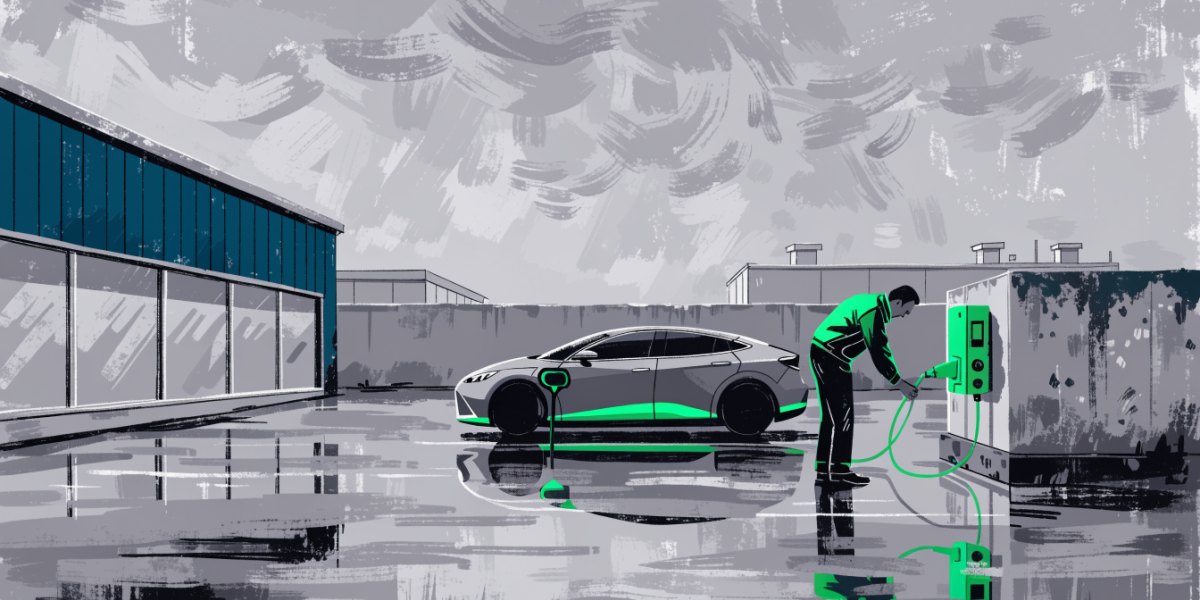
Safer Charging, which describes itself as the UK's EV charge point maintenance specialist, has warned that the private chargers most drivers rely on are increasingly being left with no one to maintain them. In a release published on 10 November, the company estimates that hundreds of thousands of private EV chargers have not been inspected since they were installed. The release does not say how that estimate was reached.
The company contrasts these sites with public networks. It says public operators must keep their rapid networks working 99% of the time under the Public Charge Point Regulations 2023. In its account, private chargers have no such rules, and their upkeep is usually one job among many for someone without charging expertise.
Chris Cheetham, Safer Charging's founder and chief executive, said: "Businesses, landlords and public bodies have invested hundreds of thousands of pounds in charging, yet in many cases there's no one really owning the long-term interests of looking after it properly." He said the first and second waves of chargers are now ageing: "warranties are running out, installers may have gone bust and taken their maintenance contracts with them, and some manufacturers have left the UK altogether, leaving orphaned chargers with nobody to fix them." He did not name any installers or manufacturers.
He added: "Public networks get all the attention because the regulations force them to, while this missing middle of private networks doesn't get the attention it deserves. If people can't rely on the chargers where they work and live, Britain's switch to electric will stall."
Safer Charging names two risks for site owners. Unmaintained chargers break down, it says, leaving drivers and fleets without charging and pushing them onto expensive public rapid chargers. Neglected chargers can also fall out of compliance, creating liability for the site owner, although the release does not specify which compliance obligations apply.
The company says site owners should be able to say who maintains each charger, when each was last inspected and who would fix them if the installer or manufacturer disappeared. Where the answer to any of these is 'we don't know', it recommends an audit of the charging estate, a service it sells. Safer Charging says it maintains and repairs chargers from any manufacturer and monitors them through its Arcane Charging Connect platform, with its Core plan typically costing £12 per socket per month, including software, support and proactive maintenance.
Sources
EIN PresswireHow THRIVE sources and checks its stories · Corrections, and how to report an error
Allstar pays work-related home charging costs for Openreach's EV drivers
EVA England urges Government not to weaken ZEV Mandate in letter to Louise Haigh
Electric van charging costs: what each van costs a mile, from depot to rapid charger
The Tuesday briefing
The week's fleet numbers and news, every Tuesday morning. Free.
One email a week. Unsubscribe in a click.
Named in this story? You have a right of reply: email hello@thrivefleet.co.uk and a challenged claim will be marked under review while we check it.
Got a story, or a question about this one? Contact the newsroom. We read everything that comes in. With the volume of fleet news, not everything can run, but a story with a number, a date or a decision in it stands a good chance.